
Best Manufactured Home Dealers in Nevada: 2026 Guide
Table of Contents
- How We Evaluated the Best Manufactured Home Dealers in Nevada
- Quick Comparison: Best Manufactured Home Dealers in Nevada
- 1. Patriot Homes: Customizable Homes With 24/7 Support
- 2. The Homes Direct: Large Inventory and Multi-State Reach
- 3. Creekwood Homes: Local Expertise in the Fallon Area
- 4. Westwind Homes: Customization and Competitive Pricing
- 5. Craftsman Homes: Diverse Catalog Including Tiny Homes
- 6. Affordable Home Center LLC: Licensed Statewide Dealer
- What to Know Before You Buy: Financing, Land, and Cost
- Frequently Asked Questions
Last Updated: September 22, 2026
How We Evaluated the Best Manufactured Home Dealers in Nevada
Most “best dealer” lists rank whoever advertises the most. This guide scores dealers on what actually determines whether a manufactured home purchase goes well.
The Five Factors We Scored
Each dealer was assessed on five criteria, weighted toward customization and post-sale support. A low sticker price with no guidance often costs more once delivery, foundation, and utility line items are added.
- Inventory and product range, Does the dealer offer manufactured, modular, and tiny homes, or only one type? A wider range means more chances to match your lot, budget, and zoning.
- Customization depth, Can you change bedroom and bathroom counts, finishes, and structural options, or are you choosing from fixed packages? Ask what is truly customizable versus factory-standard.
- Financing help, Does the dealer work with lenders experienced in chattel and real-property loans, and can they explain HUD Title I, VA, and USDA options? A dealer who pushes one lender is a red flag.
- Service area and site knowledge, Do they regularly place homes in your county and know local zoning, foundation, and permit requirements? Local placement experience often beats a slightly lower price.
- Post-sale support, What happens after the keys are handed over? Ask about warranty administration, service response times, and whether a real person handles punch-list items.
A Buyer’s Checklist: Questions to Ask Every Dealer
Use these questions on your first call or visit, the answers separate consultative dealers from order-takers.
- Licensing and credentials: Are you licensed to sell manufactured homes in this state, and what is your license number? (Verify through the state’s housing division.)
- Code and titling: Will this home be built to HUD code or state/local modular code, and how will it be titled, personal or real property?
- Itemized quote: Can you provide a written quote breaking out home price, delivery, site prep, foundation, utility connections, and permits?
- Zoning support: Have you placed homes in my county, and will you help confirm the parcel is zoned for manufactured housing?
- Financing partners: Which lenders do you work with, and do you offer chattel, HUD Title I, VA, or USDA options?
- Timeline: What is the realistic lead time for a custom order versus an in-stock unit?
- Warranty and service: Who administers the warranty, and what is the process for service requests after closing?
- References: Can you provide recent buyers in my area I can speak with?
Red Flags to Watch For
- A dealer who will not put the full scope, delivery, setup, foundation, utilities, in writing.
- Pressure to sign before you have confirmed zoning on your parcel.
- No verifiable state license number.
- Vague answers about which building code the home meets or how it will be titled.
- A single financing option presented as the only choice.
Why This Matters in This Market
The U.S. Department of Housing and Urban Development’s manufactured housing program sets the federal construction code that every HUD-code home on this list must meet, which gives buyers a consistent quality baseline to compare against. What the federal code does not standardize is the dealer experience, pricing transparency, financing guidance, zoning help, and post-sale service vary widely. That is the gap this evaluation is designed to close.
Print the checklist and bring it to every dealer visit. Written answers, not verbal assurances, are what protect you if a line item is disputed later.
Quick Comparison: Best Manufactured Home Dealers in Nevada
The table below summarizes each dealer’s strengths, service area, and best-fit buyer.
| Dealer | Service Area | Standout Strength | Best For |
|---|---|---|---|
| Patriot Homes | Multi-state, including Nevada | Customization plus 24/7 support | Buyers who want a personalized home |
| The Homes Direct | Multi-state network | Large floor plan inventory | Buyers comparing many layouts |
| Creekwood Homes | Fallon area | Local market knowledge | Fallon-area buyers |
| Westwind Homes | Regional | Custom finishes, value pricing | Customization-focused buyers |
| Craftsman Homes | Regional | Tiny homes and standard units | Alternative housing seekers |
| Affordable Home Center LLC | Statewide | Licensed dealer (D5034) | Buyers wanting a verified dealer |
1. Patriot Homes: Customizable Homes With 24/7 Support
Patriot Homes earns the top spot by pairing deep customization with round-the-clock guidance. Buyers choose bedroom and bathroom counts, then select finishes that match their budget, rare among manufactured home dealers.
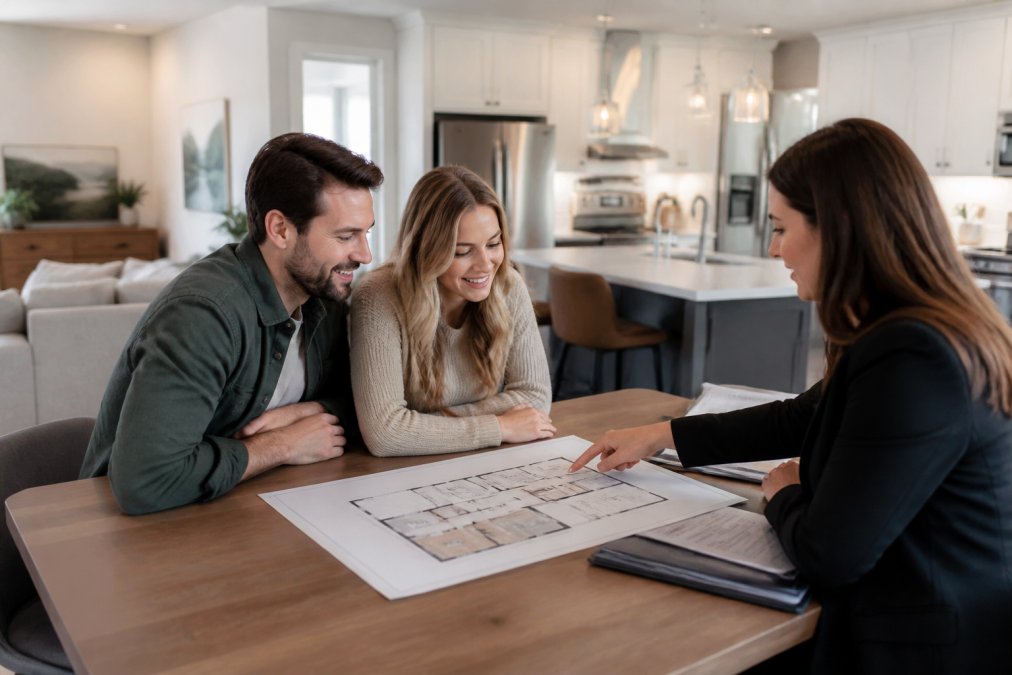
First-time buyers and retirees who want a personalized home and steady guidance from first question to final walkthrough.
2. The Homes Direct: Large Inventory and Multi-State Reach
The Homes Direct competes on selection. Its catalog of manufactured and modular floor plans is one of the region’s largest, and its multi-state network often has models in stock, ideal for shoppers comparing many layouts.
3. Creekwood Homes: Local Expertise in the Fallon Area
Creekwood Homes wins on local knowledge. Based in Fallon, the dealership understands regional housing needs, from lot placement to the practical details of setting a home in the area.
4. Westwind Homes: Customization and Competitive Pricing
Westwind Homes targets buyers who want to shape their home without paying a premium, offering customization across interior and exterior finishes with value-based pricing.
5. Craftsman Homes: Diverse Catalog Including Tiny Homes
Craftsman Homes stands out for variety. Its catalog includes manufactured homes, modular units, and tiny homes, making it a fit for buyers exploring alternative housing types. Multiple contact locations provide regional support, and the sales approach is consultative rather than pushy.
6. Affordable Home Center LLC: Licensed Statewide Dealer
Affordable Home Center LLC holds a licensed dealer designation (D5034) and serves buyers across the state from its Winnemucca base. That licensing gives buyers a verified starting point, which matters when you are handing over a significant sum.
What to Know Before You Buy: Financing, Land, and Cost
Most manufactured home buyers discover that the sticker price is the smallest number in the deal. The real total includes delivery, site prep, foundation, utility connections, and permits, line items that vary enough by county that two buyers of the same model can end up thousands of dollars apart. Three decisions determine whether your project closes smoothly: how you finance it, where you can legally place it, and what the all-in number looks like.
Financing: Match the Loan to the Land Status
Manufactured home financing splits into two tracks, and which one you qualify for depends mostly on whether you own the land.
- Personal property (chattel) loans are used when the home sits on rented or leased land and is not permanently affixed. Terms are shorter and rates typically run higher than a mortgage because the lender has weaker collateral rights.
- Real property (mortgage) loans apply when the home is permanently affixed to land you own, titled as real estate, and meets the lender’s foundation and inspection requirements. Rates and terms are closer to a traditional site-built mortgage.
Zoning and Land Use: The Step That Kills Deals
A manufactured home is a federally regulated product, but where you can place it is governed by state and local land-use rules. The same home that is legal on one lot may be prohibited on the parcel next door.
- Does the zoning district permit manufactured housing? Many counties separate “manufactured homes” from “modular homes” and “site-built homes” in their code, and some restrict manufactured homes to specific districts or to homes of a certain age or size.
- Are there placement or design standards? Common requirements include a permanent foundation, a minimum roof pitch, skirting, a certain square footage, or an attached garage. These are often written into the zoning ordinance or a subdivision’s covenants, conditions, and restrictions (CC&Rs).
- What permits are required? Expect a building or placement permit, a foundation or pier inspection, and separate sign-offs for electrical, plumbing, and septic or sewer connections. Some jurisdictions also require a floodplain or grading permit.
Skipping the zoning check is the most expensive mistake buyers make. A home that cannot legally be placed on your land becomes a storage problem, not a residence, and delivery, setup, and transport costs are usually non-refundable.
The Total Cost of Ownership: A Line-by-Line Framework
Instead of shopping on sticker price, build a quote sheet with these categories and ask every dealer to fill in each line:
- Home price, base model plus options (bedrooms, bathrooms, finishes, appliances, HVAC upgrades).
- Delivery and transport, distance from the factory or dealer lot, plus any permits or escort vehicles required for oversize loads.
- Site preparation, clearing, grading, driveway access, and any excavation.
- Foundation or pier system, piers, footings, or a permanent foundation, depending on your loan type and zoning.
- Utility connections, water, sewer or septic, electrical service, and gas, including trenching and meter fees.
- Permits and inspections, county and, where applicable, city fees.
- Landscaping, skirting, steps, and awnings, frequently omitted from initial quotes.
- Ongoing costs, property taxes, insurance (which can be higher for manufactured homes and varies by foundation type and age), and any lot rent if you lease land.
HUD Code vs. Modular: Know Which Product You Are Buying
Buyers often use “manufactured” and “modular” interchangeably, but they are legally and technically different products:
- HUD-code manufactured homes are built to the federal Manufactured Home Construction and Safety Standards, administered by HUD, and are identifiable by a red certification label on the exterior of each transportable section. They are constructed on a permanent chassis and can be titled as personal property or real property depending on how they are affixed.
- Modular homes are built to state or local building codes, the same codes that apply to site-built homes, and are typically placed on a permanent foundation. They usually must be titled and financed as real property.
Financing, zoning, and total cost are linked. Confirm the land is legal for the home, match the loan type to how the home will be titled, and compare itemized quotes, in that order.
Frequently Asked Questions
How much does a manufactured home cost in Nevada?
The cost of manufactured homes in Nevada varies based on size, features, and customization. Single-wide homes typically cost less than multi-section models, and prices increase with upgrades like energy-efficient appliances or premium finishes. Land, site preparation, and utility hookups are separate costs. Patriot Homes publishes current pricing on its website, so you can see exact figures for the models you are considering rather than relying on rough estimates.
What are the manufactured home financing requirements in Nevada?
Most lenders require a credit score of at least 620 for conventional manufactured home loans, though FHA and VA programs may have different thresholds. You will need a down payment, typically 5% to 20%, and proof of income. If you are placing the home on land you own, the lender may treat it as real property, which can lower your interest rate. Patriot Homes works with buyers who have less-than-perfect credit and can connect you with financing programs that fit your situation.
Can I put a manufactured home on my own land in Nevada?
Yes, you can put a manufactured home on land you own in Nevada, but you must check local zoning and land-use regulations first. Some areas require a minimum lot size, specific foundation systems, or HUD-code certification. You will also need utility hookups and site preparation, such as grading and installing a foundation. Patriot Homes can guide you through the process and confirm whether your land is suitable for the home you want.
What should I look for when choosing a manufactured home dealer?
Look for a dealer that is licensed in Nevada, offers transparent pricing, and provides clear guidance on delivery and installation. Check whether they handle site preparation and utility hookups or leave that to you. Ask about warranty coverage and whether they offer customization options. A good dealer will walk you through financing requirements, zoning rules, and the total cost of ownership, not just the sticker price. Read reviews and ask for references from past buyers.
Do manufactured homes hold their value in Nevada?
Manufactured homes can hold value if they are well-maintained and placed on owned land with a permanent foundation. Homes treated as real property tend to appreciate more than those in rental parks. In Nevada, housing affordability and market trends affect resale value. Choosing a quality dealer and a HUD-code or modular home that meets local building standards helps protect your investment. Financing requirements and land ownership also play a role in long-term value.
Buying a manufactured home involves real decisions about land, financing, and finishes, and the wrong dealer makes every step harder. Patriot Homes simplifies the process with customizable floor plans, competitive pricing, and a support team available 24/7 to answer questions at any stage. If you want a home built around your budget and your layout preferences, get started with Patriot Homes and turn your plan into an address.