
Buying a Home With Bad Credit: A 2026 Guide
Table of Contents
- Buying a Home With Bad Credit: What Your Options Look Like in 2026
- FHA Loan Credit Score Requirements You Need to Know
- Manufactured Home Loans With Bad Credit: A Realistic Path to Ownership
- How to Improve Credit Score Before Buying a House
- Buying a House With No Credit: What Lenders Actually Look For
- Down Payment Options and Assistance Programs for Bad Credit Buyers
- Common Mistakes to Avoid When Buying a Home With Bad Credit
- Conclusion: Your Next Step Toward Homeownership
- Frequently Asked Questions
Last Updated: October 8, 2026
Buying a Home With Bad Credit: What Your Options Look Like in 2026
Buying a home with bad credit is possible in 2026, but the path looks different than it does for buyers with strong scores. Government-backed loan programs, manufactured housing, and targeted credit repair have widened the door considerably. At Patriot Homes, we work with buyers every day who assume their credit history rules them out.
The key is knowing which programs actually tolerate lower scores, what lenders weigh beyond the number, and how to strengthen your profile before you apply. Below, we’ll walk through each option and the realistic steps to get there.
FHA Loan Credit Score Requirements You Need to Know
FHA loans are the most forgiving mainstream mortgage option for buyers with damaged credit. The Federal Housing Administration insures these loans, which reduces lender risk and lets them accept lower scores than conventional loans allow.
According to the U.S. Department of Housing and Urban Development, FHA-insured loans permit credit scores as low as 500 with a 10% down payment. Borrowers at 580 or above typically qualify with just 3.5% down.
How FHA Loans Compare to Conventional Loans for Lower Scores
| Feature | FHA Loan | Conventional Loan |
|---|---|---|
| Minimum credit score | 500 (10% down) | Typically 620+ |
| Down payment | 3.5% at 580+ | 3-20% |
| Mortgage insurance | Required | Often required under 20% down |
| Credit flexibility | Higher | Lower |
Conventional loans generally demand stronger credit and larger reserves. For buyers rebuilding their profile, FHA financing is usually the faster route.
A common mistake is applying with a lender that only offers conventional products. Ask specifically whether they’re an FHA-approved lender, because not all are.
Manufactured Home Loans With Bad Credit: A Realistic Path to Ownership
Manufactured home loans with bad credit are often more attainable than site-built mortgages because the loan amounts are smaller and some lenders specialize in this category. A lower principal means less risk for the lender, which can translate into more flexible credit standards.
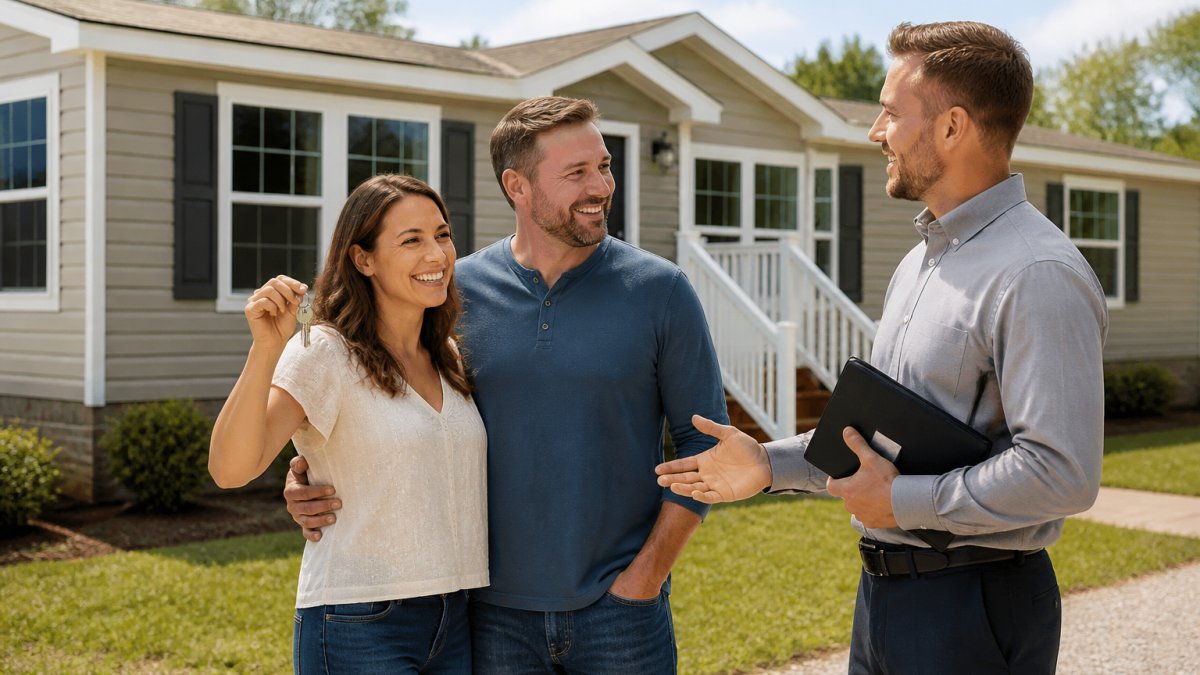
Patriot Homes builds brand-new, customizable manufactured homes designed to fit your budget, and our team is available 24/7 to guide you through financing questions. We offer a range of model options, from selecting the number of bedrooms and bathrooms to choosing the perfect finishes.
Why Manufactured Homes Open Doors for Budget-Conscious Buyers
Smaller loan amounts, faster construction timelines, and lower overall cost make manufactured housing a practical entry point. Because the home itself costs less than a comparable site-built house, the financing hurdle is lower.
The real advantage of manufactured housing isn’t just price. It’s that a smaller loan is easier to qualify for when your credit needs work.
How to Improve Credit Score Before Buying a House
Improving your credit score before buying a house takes time, but even six months of focused effort can shift your profile. Lenders look at payment history, balances, and how recently problems occurred.
Start with these steps:
- Pull your credit reports and dispute any errors you find
- Bring every account current and keep it that way
- Pay down revolving balances to lower your use
- Avoid opening new credit accounts before applying
- Keep old accounts open to preserve your history length
Building a Stronger Credit Profile in 6 to 12 Months
A realistic timeline matters. Most negative marks fade in impact over time, and consistent on-time payments gradually rebuild trust. If you’re 6 to 12 months out from applying, you have room to make meaningful progress.
Closing old credit cards to “clean up” your report often backfires. It shortens your credit history and raises your use ratio, which can lower your score.
Buying a House With No Credit: What Lenders Actually Look For
Buying a house with no credit is different from buying with bad credit, and lenders treat it differently. A thin file means there’s little history to evaluate, so underwriters look for alternative proof of financial responsibility.
They may review:
- Consistent rent payment history
- Utility and phone payment records
- Bank statements showing steady income and savings
- A larger down payment to offset perceived risk
Some lenders offer manual underwriting for buyers without traditional scores. This is more work, but it’s a genuine path.
Down Payment Options and Assistance Programs for Bad Credit Buyers
Down payment assistance can be the difference between renting and owning. Many state and local housing agencies offer grants and low-interest second loans for buyers who meet income and credit guidelines.
The Consumer Financial Protection Bureau offers tools to help buyers understand their loan options and compare offers. Checking your eligibility for assistance early gives you a clearer picture of what you can afford.
Common Mistakes to Avoid When Buying a Home With Bad Credit
The biggest mistake is applying before you’re ready. Each application can trigger a credit inquiry, and too many in a short window signals risk to lenders.
Other pitfalls to sidestep:
- Skipping the pre-approval step and shopping on emotion
- Ignoring the full monthly cost beyond the mortgage payment
- Assuming one lender’s “no” means every lender will say no
- Failing to document income and assets thoroughly
Conclusion: Your Next Step Toward Homeownership
Bad credit delays homeownership, but it rarely ends it. The buyers who succeed are the ones who understand their options, improve what they can, and work with a team that knows the financing landscape. Patriot Homes offers customizable manufactured homes with competitive pricing, many model options, and 24/7 support to walk you through every step. Get started with Patriot Homes and turn your credit history into just one part of your story, not the end of it.
Frequently Asked Questions
Can you buy a home with bad credit?
Yes, buying a home with bad credit is possible. FHA loans allow credit scores as low as 580 with a 3.5% down payment, and some lenders approve scores down to 500 with a 10% down payment. Manufactured home loans with bad credit are also available through specialized lenders. The key is finding the right loan program and working with a dealer or lender who understands your situation.
What credit score do you need to buy a house?
FHA loan credit score requirements start at 580 for the 3.5% down payment option. Conventional loans typically require a 620 minimum. USDA and VA loans often accept scores in the 580-620 range. Some manufactured home lenders work with scores below 580. If your score is lower, a larger down payment or a co-signer can improve your approval chances.
How can you improve your chances of getting approved for a mortgage with bad credit?
Start by paying down credit card balances to lower your credit utilization ratio. Avoid opening new credit accounts in the six months before applying. Gather proof of steady income and a history of on-time rent payments. A larger down payment reduces lender risk. Working with a lender experienced in manufactured home loans with bad credit can also make a significant difference in your approval odds.
Can you buy a home with no credit history?
Yes, buying a house with no credit is possible through alternative credit documentation. Lenders may accept proof of on-time rent, utility, and insurance payments. FHA loans allow non-traditional credit histories if you can show at least three sources of alternative credit with 12 months of consistent payments. A co-signer or a manually underwritten loan can also help.
How much of a down payment do you need with bad credit?
FHA loans require 3.5% down for scores of 580 or higher and 10% down for scores between 500 and 579. VA and USDA loans offer 0% down options for eligible buyers. Manufactured home loans with bad credit often require 5-10% down. Down payment assistance programs exist in many states and can cover part or all of your required down payment.
Should you wait to buy a home until your credit score improves?
It depends on your timeline and goals. Improving your credit score before buying a house can unlock lower interest rates and better loan terms, potentially saving tens of thousands over the life of the loan. However, if you need housing now and qualify for an FHA or manufactured home loan, buying sooner may make sense. A lender can show you the rate difference so you can decide.