
Putting a Manufactured Home on Your Own Land: A Step-by-Step Guide
Table of Contents
- Can You Put a Manufactured Home on Land You Own?
- Manufactured Home Land Requirements: What You Need to Know
- Manufactured Home Zoning and Permits: Local Rules You Must Follow
- Manufactured Home Site Preparation: Getting Your Land Ready
- Utility Access and Connections for Your Manufactured Home
- Cost to Put a Manufactured Home on Land: Budget Breakdown
- Timeline and Installation Process: What to Expect
- Your Land Feasibility Checklist Before You Buy
- Frequently Asked Questions
Last Updated: October 9, 2026
Can You Put a Manufactured Home on Land You Own?
Yes, you can place a manufactured home on own land that you own. The answer depends on several critical factors: local zoning laws, building codes, utility access, and property restrictions.
Many people assume that owning land means they can place a manufactured home anywhere on it. That assumption costs buyers time and money.
The good news: most residential land in developed areas can accommodate a manufactured home. But you need a clear verification process before you buy or commit to a home purchase.
Manufactured Home Land Requirements: What You Need to Know
Your land must meet specific requirements before a manufactured home can be placed on it. These requirements vary by location, but the core factors remain consistent across most jurisdictions.
Property Type and Residential Lot Eligibility
The first step is confirming your property is zoned for residential use and that the lot size meets local minimums.
Manufactured homes must sit on residential property. Commercial, agricultural, or industrial land typically won’t qualify.
The property must also have legal road access. You can’t place a manufactured home on landlocked property with no legal right-of-way to a public road.
Deed Restrictions and Covenants
Even if your land is zoned correctly, deed restrictions or covenants may prohibit manufactured homes. Some properties sit in planned communities or subdivisions with restrictive covenants that ban mobile homes or manufactured homes.
Pull your property deed and search for any restrictions.
Restrictions can sometimes be challenged or removed, but this requires legal work and isn’t always successful. It’s far easier to verify restrictions before you buy the land.
Manufactured Home Zoning and Permits: Local Rules You Must Follow
Zoning and permits are where most projects stall. You cannot place a manufactured home on your land without proper approvals. This isn’t optional, it’s the law.
Checking Your Local Zoning Laws
Start by contacting your county planning department or city zoning office. Tell them you want to place a manufactured home on your property. Ask for:
- Zoning classification of your parcel
- Whether manufactured homes are permitted in that zone
- Minimum lot size requirements
- Setback requirements (distance from property lines)
- Height and width restrictions
- Any special permits or variances needed
Get this information in writing. Zoning rules vary dramatically by location. Some areas welcome manufactured homes; others restrict them heavily. Some jurisdictions distinguish between “manufactured homes” (HUD-code homes built after 1976) and older “mobile homes,” with different rules for each.
If your land isn’t currently zoned for manufactured homes, ask about the process to request a zoning variance or conditional use permit. This can be expensive and time-consuming, so factor that into your decision.
Obtaining Permits and Inspections
Once zoning is confirmed, you’ll need multiple permits:
- Building permit: Issued by your local building department; required before any work begins
- Electrical permit: For connecting power to the home
- Plumbing permit: For water and sewer connections
- Foundation permit: Required in most jurisdictions before foundation installation
- Installation permit: Specific to manufactured home placement
Each permit requires inspections at different stages. Inspectors will verify that your foundation meets code, utilities are properly connected, and the home is installed correctly. Budget 2-4 weeks for the full permit and inspection process, though timelines vary by location.
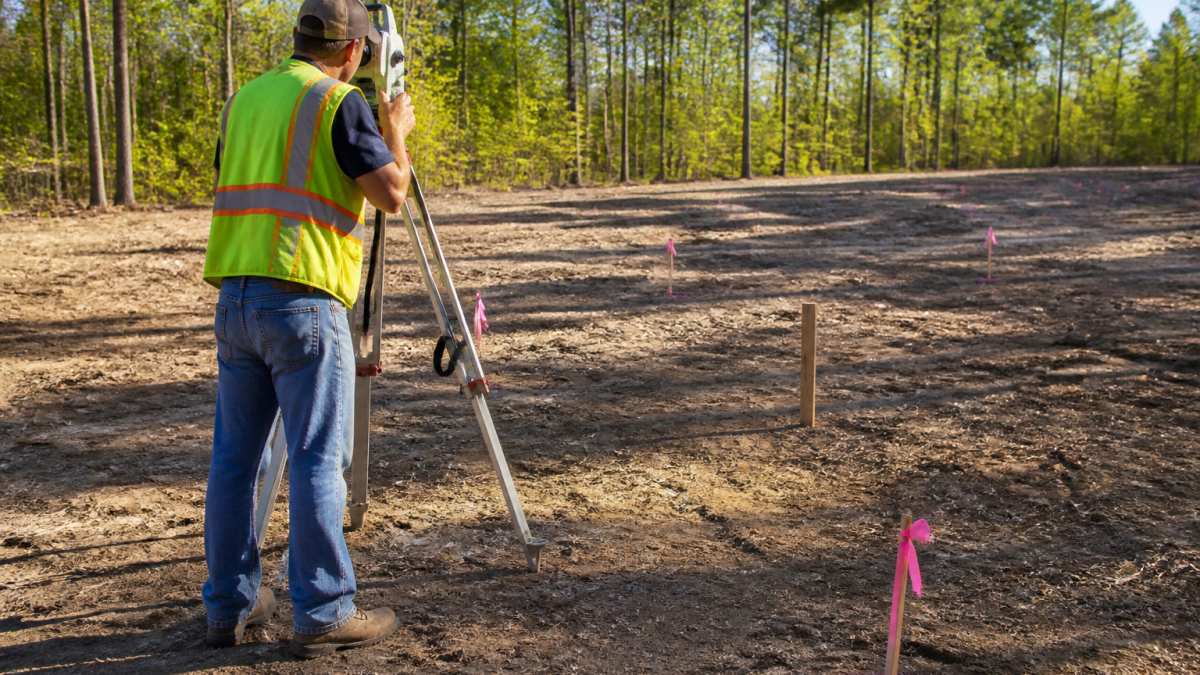
Manufactured Home Site Preparation: Getting Your Land Ready
Your land must be physically prepared before the manufactured home arrives. This is non-negotiable and often more expensive than people expect.
Land Clearing and Grading
If your land has trees, brush, or uneven terrain, you’ll need clearing and grading. A bulldozer or excavator removes vegetation and levels the ground.
Clearing costs depend on how much vegetation exists. Light clearing might cost a few hundred dollars. Heavy clearing with tree removal can cost thousands. Get quotes from local excavation contractors before you commit to the land purchase.
Road Access and Delivery Preparation
The delivery truck is massive, typically 80+ feet long and 8.5 feet wide. It needs a clear, straight path from the public road to the home site. Trees, power lines, and narrow driveways can block delivery.
Walk your property and identify the delivery route. Will the truck fit? Are there overhead obstacles? Can the road handle the weight?
Foundation Requirements and Installation
Most jurisdictions require a permanent foundation for manufactured homes. This isn’t optional in most areas. Permanent foundations include:
- Concrete pier and beam: Posts set on concrete footings with beams connecting them
- Concrete slab: A solid concrete pad poured across the entire footprint
- Basement: Full excavation with foundation walls (rare for manufactured homes due to cost)
Pier and beam is the most common and affordable option. Slab foundations cost more but provide better insulation in cold climates. Foundation costs typically range from several thousand to tens of thousands of dollars depending on size and local soil conditions.
Foundations must meet local building codes. Frost depth requirements vary by climate, northern regions require deeper footings than southern areas. Your local building department will specify exact requirements.
Utility Access and Connections for Your Manufactured Home
Your manufactured home needs water, sewer, and electricity. If utilities aren’t nearby, connection costs can be substantial.
Water and Sewer Systems
Check whether your property has access to municipal water and sewer lines. If yes, connection costs are typically lower, usually a few thousand dollars to tap into existing lines.
If municipal utilities aren’t available, you’ll need a septic system for waste and a well for water. Septic systems require permits, inspections, and regular maintenance.
Have your land tested for septic suitability before you buy. Soil conditions, water table depth, and lot size all affect septic feasibility.
Electrical Service and Gas Lines
Electrical service must reach your home site. If the utility lines are far away, extending service can cost thousands. Contact your local utility company to determine service availability and extension costs.
Gas lines are optional but common. If your manufactured home will use gas for heating or cooking, you’ll need either a propane tank or natural gas line access. Propane tanks sit on the property and require regular refills.
Cost to Put a Manufactured Home on Land: Budget Breakdown
The total cost of placing a manufactured home on your land includes the home itself, site preparation, permits, utilities, and foundation work. This is where many buyers underestimate their actual investment.
Installation and Setup Costs
Installation costs include:
- Foundation work: Several thousand to tens of thousands
- Site preparation: Clearing, grading, and access roads, hundreds to thousands
- Utility connections: Water, sewer, and electrical, thousands to tens of thousands depending on distance
- Delivery and placement: Transportation and setup of the home itself, typically $3,000-$10,000
These costs vary dramatically by location and property condition. A lot with utilities nearby and level ground costs far less than a remote property requiring well and septic installation.
Permits, Inspections, and Compliance
Permit costs include:
- Building permits
- Electrical permits
- Plumbing permits
- Foundation permits
- Installation permits
- Inspection fees
Total permit costs typically range from $500 to $3,000 depending on your jurisdiction. Some areas charge flat fees; others charge based on the home’s value.
Financing Your Manufactured Home Purchase
Financing a manufactured home on land you own is different from traditional mortgages. Most lenders offer chattel loans (personal property loans) for the home itself and a separate land loan or home equity line for the land.
Interest rates and terms vary. Work with a lender experienced in manufactured home financing. Ask about:
- Loan terms and interest rates
- Whether the home and land can be financed together
- Down payment requirements
- Closing costs
Patriot Homes works with multiple lenders and can connect you with financing options designed for manufactured home buyers. Our 24/7 team helps navigate the financing process so you understand your actual monthly payment before you commit.
Timeline and Installation Process: What to Expect
The entire process from land verification to move-in typically takes 3-6 months. Understanding the timeline helps you plan accordingly.
Pre-Installation Steps and Responsible Parties
The sequence matters:
- Zoning verification: 1-2 weeks (you contact planning department)
- Permit applications: 1-2 weeks (you submit with local building department)
- Permit approval: 2-4 weeks (local government reviews and approves)
- Site preparation: 2-4 weeks (contractors clear, grade, and prepare foundation)
- Foundation installation: 2-4 weeks (foundation contractor builds per code)
- Utility connections: 2-4 weeks (utility companies and contractors connect services)
- Final inspections: 1-2 weeks (building department inspects all work)
- Home delivery and setup: 1-2 days (manufacturer delivers and places home)
You’re responsible for coordinating with contractors, obtaining permits, and scheduling inspections.
Delivery and Setup Timeline
Once all permits and inspections pass, the manufactured home is delivered.
The delivery truck needs a clear path and adequate space to maneuver. If obstacles exist, delivery may be delayed or rerouted, adding cost. Plan for weather delays, wet ground or snow can postpone delivery.
After placement, utility final connections occur. The home is then ready for occupancy pending final inspections.
Your Land Feasibility Checklist Before You Buy
Before you purchase land or commit to a manufactured home, verify these items:
- Zoning: Contact planning department; confirm manufactured homes are permitted
- Lot size: Verify acreage meets local minimums
- Road access: Confirm legal access and adequate road width for delivery
- Deed restrictions: Pull deed; check for covenants prohibiting manufactured homes
- Utilities: Confirm water, sewer, and electrical access or feasibility
- Septic suitability: If needed, have land tested for septic compatibility
- Slope and grading: Walk property; assess clearing and leveling needs
- Delivery route: Identify clear path from road to home site
- Permit requirements: Get written zoning and permit requirements from local government
- Cost estimates: Obtain quotes for site preparation, foundation, and utilities
Use this checklist before you buy. It takes a few hours and saves thousands in unexpected costs.
Frequently Asked Questions
Can I put a manufactured home on land I already own?
Yes, you can place a manufactured home on your own land in most cases, but it depends on local zoning laws, deed restrictions, and building codes. Your property must be zoned for residential use and meet your county’s lot-size requirements. Check with your local planning department and review your property deed for restrictions. Many landowners successfully install manufactured homes on owned acreage, but verification of eligibility is essential before purchase.
What permits do I need to place a manufactured home on my property?
You typically need a manufactured home installation permit, building permit, electrical permit, plumbing permit, and septic or sewer connection permit (if applicable). Specific requirements vary by county and state. Contact your local building department or county assessor’s office to request a complete permit checklist. Some jurisdictions require a foundation inspection before and after installation. Permits usually cost between a few hundred to several thousand dollars depending on location and complexity.
How do I check whether my land is zoned for a manufactured home?
Contact your county planning and zoning department or visit their website to review your property’s zoning designation. You can look up your parcel number on the county assessor’s website and view the zoning code. Ask specifically whether manufactured homes (also called mobile homes) are permitted in your zone, as some areas restrict them to mobile home parks only. Request written confirmation of zoning eligibility before purchasing a manufactured home to avoid costly surprises.
What site preparation is needed before a manufactured home is delivered?
Your land must be cleared, graded level, and compacted to support the home’s weight. A permanent foundation (typically concrete piers or a full basement) must be installed. Road access must accommodate the delivery truck, which may require temporary road widening or clearing. Utility trenches for water, sewer, and electrical lines should be roughed in. The delivery area must be at least 60 feet long and 14 feet wide with no overhead obstacles.
Placing a manufactured home on your own land is achievable when you follow the right process. The key is verifying your land qualifies before you invest. At Patriot Homes, our team can answer questions about manufactured home placement and help you find the right home for your property. We offer customizable manufactured homes with competitive pricing and 24/7 support to guide you through every step. Contact us now to explore your options and get started on your affordable homeownership journey.