
Is a Manufactured Home a Good Investment in 2026?
Table of Contents
- Is a Manufactured Home a Good Investment? The Short Answer
- The Real Cost of Owning a Manufactured Home
- Manufactured Home on Owned Land vs. Rented Land: The Investment Divide
- Manufactured Home Resale Value and Exit Strategy
- Financing a Manufactured Home: Your Options and What Lenders Look For
- Due Diligence Checklist Before You Buy
- Frequently Asked Questions
Last Updated: October 15, 2026
Is a Manufactured Home a Good Investment? The Short Answer
A manufactured home investment can be a good one, but only under specific conditions. The deciding factor is almost never the house itself. It is the land beneath it.
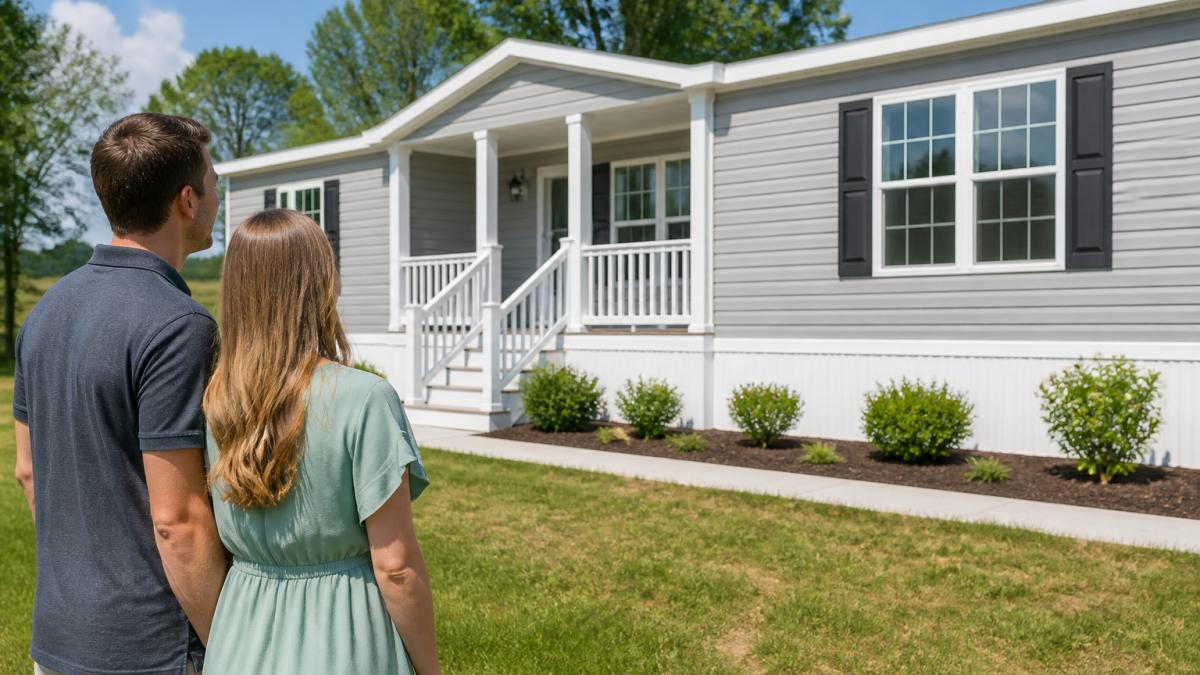
A manufactured home is a strong investment when you own the land, keep the home on a permanent foundation, and hold it for years.
That distinction drives everything else .
(/manufactured-home-vs-site-built-cost-comparison/)** is a factory-built house built to the federal HUD Code, and that standard is not the reason for weaker appreciation.
Three forces push values down over time:
- Titling. When a manufactured home is titled as personal property rather than real estate, it behaves like a vehicle in the eyes of lenders and appraisers.
- Lot leases. A home sitting on rented land carries the risk that lot rent rises or the park changes hands.
- Depreciation curves. Homes that are never affixed to owned land tend to lose value steadily, similar to a car.
Appreciation is possible. It shows up most often where the owner holds title to the land, the home is permanently affixed, and local housing demand is strong.
The Real Cost of Owning a Manufactured Home
The cost of owning a manufactured home breaks into two buckets: what you pay to get in, and what you pay monthly after.
Upfront costs typically include the home itself, delivery, site preparation, foundation or piers, utility connections, and any customization you select. Ongoing costs include your mortgage or chattel loan payment, property taxes where applicable, insurance, lot rent if you do not own the land, and maintenance.
| Cost Category | Typical Timing | What Drives It |
|---|---|---|
| Home purchase price | One-time | Size, model, finish level |
| Site preparation and installation | One-time | Terrain, foundation type, utility distance |
| Monthly loan payment | Monthly | Loan amount, term, interest rate |
| Lot rent | Monthly | Park location, amenities, lease terms |
| Property taxes | Annual | Local assessment and land status |
| Insurance | Monthly or annual | Coverage type, home age, location |
| Maintenance and repairs | As needed | Home age, climate, upkeep |
Build a Total-Cost Picture Instead of Comparing Sticker Prices
The mistake is comparing purchase prices and stopping there. A more honest comparison adds four numbers over your holding period:
- All-in acquisition cost, home price plus delivery, site prep, foundation, utility hookups, permits, and any upgrades. This is often meaningfully higher than the advertised home price.
- Financing cost, total interest paid over the loan term. A chattel loan at a higher rate over a shorter term can cost more in interest than a larger mortgage at a lower rate.
- Land cost or lot rent, if you own land, your land mortgage or opportunity cost; if you lease, the cumulative lot rent across your holding period, including scheduled escalations.
- Carrying costs, property taxes, insurance, and maintenance, summed across the years you expect to own it.
Add resale proceeds and you have a rough net position. Lot rent and financing terms move that number more than the home’s finishes ever will.
Two buyers can purchase the identical home at the identical price and end up with opposite investment outcomes, because one owns the land and finances as real property while the other leases a lot and finances as personal property. Compare total cost of ownership, not purchase price.
How Land Status Changes the Monthly Math
On owned land, your monthly cost is the loan payment plus taxes, insurance, and maintenance. You build equity in both home and land, and you control whether lot costs rise.
On a leased lot, add lot rent every month and assume it increases.
Monthly payments on a manufactured home are often lower than a comparable site-built mortgage because the purchase price is lower.
A Sensitivity Check Before You Commit
Before you buy, stress-test the numbers. Ask what happens to your monthly cost and your net position if:
- Lot rent rises by a meaningful percentage over your holding period
- Interest rates are higher than quoted when you lock
- Insurance premiums increase after the first year
- A major repair (roof, HVAC, plumbing) lands in year three instead of year ten
- Local home values are flat or decline when you sell
If the purchase only works when all of those stay favorable, it is a bet, not an investment. A manufactured home is most defensible when it still pencils out with a couple of those scenarios going against you.
Manufactured Home on Owned Land vs. Rented Land: The Investment Divide
A manufactured home on owned land vs. rented land is the single biggest variable in whether your purchase builds equity or drains it.
Own the land and you control the two things that matter most: lot costs and resale flexibility.
Lease the lot and you inherit risks you cannot manage: lot rent can increase, park rules can change, and a new owner may have different plans.
Buying a manufactured home in a park without reading the full lot lease is the most common mistake we see. Buyers focus on the home and skip the lease terms, then get surprised by annual rent increases or restrictions on resale.
Manufactured Home Resale Value and Exit Strategy
Manufactured home resale value depends heavily on how the home is classified and where it sits. Homes on owned land in desirable areas resell more like traditional houses; homes on leased lots resell to a narrower buyer pool and sit longer. What most articles skip is the mechanics, why the buyer pool shrinks, what selling costs, and how to judge whether you have a real exit.
Why the Buyer Pool Shrinks
A resale is only as strong as the number of buyers who can actually purchase your home. Three filters cut that pool:
- Financing. If the home is titled as personal property, many buyers cannot get a conventional mortgage on it. They need a chattel loan, cash, or a lender that specializes in manufactured housing. Fewer financing paths means fewer buyers.
- Land control. If the home sits on a leased lot, the buyer must also be approved by the park and accept the lease terms. That adds a gatekeeper between you and your sale.
- Mobility. Moving a manufactured home is expensive and can damage it. A buyer who wants the home but not the location often cannot simply relocate it, so location and land status become non-negotiable parts of the deal.
What Selling Actually Costs
Budget for the costs that come out of your proceeds, not just the sale price:
- Real estate agent commissions, if you list with an agent
- Closing costs and any transfer taxes
- Outstanding loan payoff, which may exceed what you expect if the loan is front-loaded
- Repairs or updates needed to make the home competitive
- Lot rent owed through the sale date, if applicable
- In a park, any fees the community charges on transfer or resale
On a depreciated home, those costs can consume most or all of the equity you built. Run the net-proceeds math before you buy, not after you decide to sell.
Age, Condition, and Demand
Resale demand tracks a few practical factors more than brand:
- Age. Older manufactured homes face tighter financing and insurance options, which narrows the buyer pool further.
- Condition. Deferred maintenance shows up immediately in a factory-built home and is harder to hide than in a site-built house.
- Local demand for affordable housing. In markets where entry-level housing is scarce, a well-kept manufactured home on owned land can sell quickly. In markets with ample affordable supply, it competes against everything else.
- Community rules. Park or HOA rules can restrict who can buy, how the home can be sold, and whether it can be rented out in the interim.
Three Exit Questions, With a Way to Answer Them
- If I needed to sell in three years, who would buy this? Name the specific buyer type, an owner-occupant who can get financing, a cash buyer, an investor. If you cannot name one, the exit is weak.
- Can the buyer get financing for it? Ask a lender, not the dealer, whether the home as titled and sited qualifies for a conventional mortgage or only a chattel loan. The answer determines your buyer pool.
- Does the lot lease or park rule restrict how I can sell? Read the lease for resale approval requirements, transfer fees, and any right of first refusal.
If you cannot answer all three, you do not yet have an exit strategy, and a home you cannot sell easily is not really an investment.
A manufactured home on a leased lot is not automatically a bad investment, but it is a less liquid one. Liquidity, how quickly and reliably you can convert the home back to cash, is the risk most buyers underestimate.
Ask the dealer and the park manager, in writing, whether the home will be titled as real property or personal property. That single answer shapes your financing options, your tax treatment, and your resale pool.
Financing a Manufactured Home: Your Options and What Lenders Look For
Financing options for a manufactured home fall into two categories, and which one you qualify for depends on how the home is titled and sited.
- Mortgage financing. Available when the home is permanently affixed to land you own and titled as real property. Terms and rates are closer to traditional home loans.
- Chattel loan. Used when the home is titled as personal property, often on leased land. Terms are shorter and rates are typically higher.
Lenders look at credit score, down payment, debt-to-income ratio, the home’s age and condition, and whether the land is owned or leased.
According to consumer guidance from the Consumer Financial Protection Bureau, borrowers should compare loan estimates carefully, since terms on manufactured home loans vary widely between lenders.
Due Diligence Checklist Before You Buy
Run this checklist before you sign anything. It is the difference between a purchase you are happy with in five years and one you regret in eighteen months.
- Confirm whether the home will be titled as real property or personal property
- Verify land ownership status: owned, leased, or park-based
- Read the full lot lease, including rent escalation clauses and resale restrictions
- Get site preparation and installation costs in writing
- Confirm the foundation type and whether it supports conventional financing
- Check local zoning and any park or HOA rules
The HUD Manufactured Housing program sets the federal construction standard for manufactured homes, and it is worth understanding what that standard does and does not cover before you buy.
Buying a manufactured home is a real decision with real money on the line, and the details matter more than the sales pitch.
Frequently Asked Questions
What is the downside to buying a manufactured home?
The main downsides are faster depreciation compared to site-built homes, especially if you lease the land, and limited financing options. If you rent a lot, lot rent can increase over time, and you may face restrictions on resale. Also, manufactured homes can be harder to sell in some markets because buyers may struggle to get a mortgage. However, when you own the land and maintain the home well, these risks drop significantly.
Do manufactured homes raise in value?
Manufactured homes can appreciate, but it depends heavily on land ownership. Homes on owned land in desirable areas have shown appreciation rates close to site-built homes. Location, maintenance, and market demand also play big roles.
Is it better to own the land under a manufactured home?
Yes, owning the land is almost always better for investment purposes. When you own the land, you build equity in both the home and the property, and you avoid lot rent increases. You also have more control over resale and can often qualify for traditional mortgages. If you lease the land, your home may depreciate and you risk rent hikes, making it harder to profit when you sell.
What costs should you include when buying a manufactured home?
Beyond the purchase price, budget for delivery, site preparation, foundation, utility connections, and installation. Ongoing costs include property taxes, insurance, maintenance, and lot rent if applicable. Financing costs like interest and fees also add up. It’s smart to get a total cost of ownership estimate from your dealer. Patriot Homes offers a pricing page and can help you calculate these expenses.