
How to Get FHA Financing for a Manufactured Home on Rented Land
Last Updated: November 12, 2026
Quick Summary
Yes, FHA financing can cover a manufactured home on rented land through HUD’s Title I Manufactured Home Loan Program, which permits borrowers to lease the lot instead of owning it. Title II does not fit this structure because it requires the home and land to be financed together as real property.
- Title I finances the home only, while Title II requires land ownership and real property titling.
- The lot lease should run at least as long as the loan term or include written renewal rights.
- Ask your lender to review the full lease before paying any application fee.
- A month-to-month lot arrangement usually fails because it gives the lender no long-term assurance.
- Verbal promises from park managers about renewal or rent do not count with underwriters.
Table of Contents
- Does FHA Cover Manufactured Homes on Rented Land?
- How an FHA Title I Loan for a Manufactured Home Works
- FHA Title II Manufactured Home Loan Requirements
- FHA Loans for Mobile Homes in Parks: What the Lease Must Show
- FHA Loan for Manufactured Home and Land: When You Own the Lot
- Eligibility Checklist: Home, Borrower, and Lease Requirements
- What Happens If the Land Lease Ends or the Community Closes
- Call (888) 765-1776 for Help With FHA Financing on Your Home
- Frequently Asked Questions
Does FHA Cover Manufactured Homes on Rented Land?
Yes, FHA financing can cover a manufactured home on rented land, but only through specific loan programs.
FHA financing exists for home-only purchases on leased land, but the rules are stricter than most buyers expect.
FHA is not one program. Title I and Title II follow different rules, and mixing them up can lead to a denied application.
For pricing matrices and customization options, call our 24/7 team at (888) 765-1776.
The Short Answer: Title I Makes It Possible
FHA Title I is the program that makes home-only financing on leased land possible. Under this program, HUD allows borrowers to lease the lot rather than own it outright.
According to HUD’s Title I manufactured home financing guidance, the lot lease is a permitted arrangement under Title I. That separates it from Title II, which is built around financing a home and land together as real estate.
So the practical answer depends on which program fits your situation:
- Rented land, home-only purchase: Title I is the path.
- You own or are buying the lot: Title II becomes viable.
- Unsure which applies: Talk to a lender before you sign anything.
How an FHA Title I Loan for a Manufactured Home Works
An FHA Title I loan for a manufactured home is a home-only loan. It finances the structure itself, not the dirt under it.
Because the land stays out of the deal, the lender leans harder on the lease, the home’s condition, and your ability to pay.
The process generally moves through these stages:
- Get pre-qualified with a Title I-approved lender
- Submit the purchase agreement and lot lease
- Complete the property appraisal and inspection
- Provide income, credit, and debt documentation
- Close and take possession
Timelines vary by lender and file complexity. For a realistic picture of each stage, see our guide on how long manufactured home financing takes, step by step.
Watch out: applying before you’ve read the lease in full is the most common misstep we see.
FHA Title II Manufactured Home Loan Requirements
FHA Title II manufactured home loan requirements center on one thing: the home and land are financed together as real property.
That means the property must typically be titled as real estate, which usually requires a permanent foundation and land ownership.
Key differences at a glance:
| Feature | Title I | Title II |
|---|---|---|
| Land ownership | Lease permitted | Land included |
| Property type | Home only | Home and land |
| Titling | Often personal property | Real property |
| Best for | Rented lot buyers | Landowners |
If your lot situation is unclear, ask a lender which program your file qualifies for before you shop. Guessing costs time.
FHA Loans for Mobile Homes in Parks: What the Lease Must Show
FHA loans for mobile homes in parks hinge on the lease. A weak lease sinks an otherwise strong application, and most guides stop at a vague list of terms.
How the Lease Review Actually Works
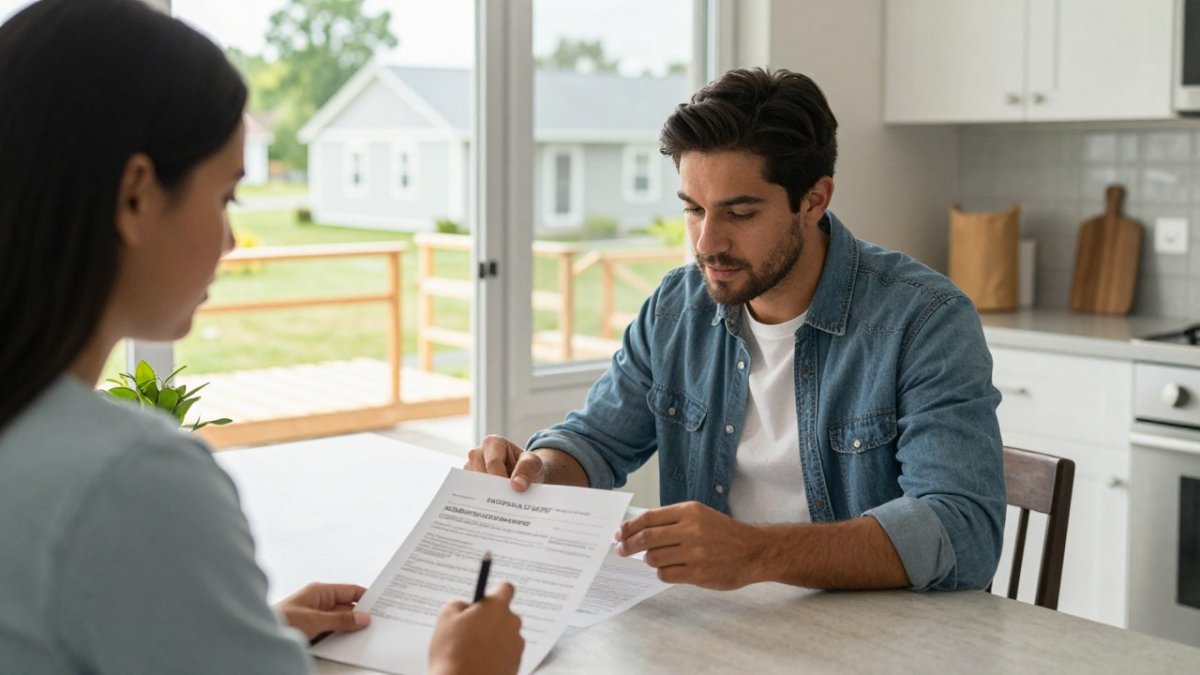
The lease review is a lender decision made against FHA program standards, not a buyer preference. The loan officer or underwriter reviews the lease to determine whether the lot arrangement protects the lender’s collateral.
Ask your loan officer to review the lease before you pay any application fee. If the lease fails review, you want to know before money changes hands.
The Lease Checklist Lenders Work Through
Use this as a practical verification list. Each item maps to a real reason files stall:
- Lease term versus loan term: the lease should run at least as long as the loan repayment period, or include renewal rights that clearly extend past it. A lease that expires mid-loan is a common denial trigger.
- Written renewal rights: renewal must be stated in the lease, not promised verbally by a park manager. Look for the number of renewal periods, the notice window to renew, and whether rent can be renegotiated at renewal.
- Lot rent amount and escalation: the lease should state the current lot rent and the rules for increases. Open-ended escalation language makes underwriters nervous because it affects your ability to pay.
- Notice periods for termination: how much notice the park must give before ending the lease, and on what grounds. Short or discretionary notice periods are a red flag.
How to Verify a Leased Lot Qualifies
Work through these steps in order:
- Get the full lease in writing, including all addenda and community rules.
- Read the term, renewal, and termination sections first, these decide most files.
- Confirm the lot rent and escalation rules are stated, not left to future agreement.
- Ask the park, in writing, how lease assignment works if you sell the home.
- Send the lease to your lender for review before paying any application fee.
- Get the lender’s confirmation of program eligibility in writing.
Watch out: a verbal promise from a park manager about renewal or rent does not count. If it is not in the lease, the lender cannot rely on it, and neither can you.
Where Buyers Get This Wrong
The most common misstep is applying before reading the lease in full.
If your lease needs work, ask the park to amend it in writing before you proceed. If the park will not, that is useful information about the risk you would be taking on.
For help reviewing your situation and understanding which program fits, call our 24/7 team at (888) 765-1776.
FHA Loan for Manufactured Home and Land: When You Own the Lot
An FHA loan for a manufactured home and land works differently because the property can be treated as real estate.
This is where Title II comes in. The property generally needs a permanent foundation and proper titling to qualify.
Owning the lot changes several things:
- The home can be treated as real property
- Financing options can extend beyond Title I
If you’re weighing a rented lot against buying land, our breakdown of raw land vs developed lots covers the trade-offs buyers actually face.
One honest limitation: land ownership adds cost and paperwork up front. For some buyers, the lease route is still the smarter financial move.
Eligibility Checklist: Home, Borrower, and Lease Requirements
Eligibility comes down to three buckets: the home, you, and the lease. Miss any one and the file stalls.
Home and Construction Standards
The home itself must meet FHA standards. Lenders typically verify:
- Built to the HUD Code, the federal construction standard for manufactured homes
- Built to the HUD Code standard in effect for manufactured homes
- Properly installed and, where required, on a permanent foundation
- Free of structural defects found during appraisal or inspection
Borrower and Credit Requirements
Borrower standards follow FHA norms. Lenders review credit score, debt-to-income ratio, down payment, and documented income.
Exact thresholds vary by lender and program. If your credit is thin or bruised, our guide on financing manufactured homes with low credit explains how lenders evaluate those files.
Use this pre-application checklist:
- Pull your credit reports and dispute errors
- Gather two years of income documentation
- Calculate your monthly debt payments
- Confirm your down payment source
For a deeper look at credit challenges, see buying a home with bad credit.
What Happens If the Land Lease Ends or the Community Closes
This is the question nobody wants to ask, and it matters most when you finance a home without owning its site. Here is what actually happens, and how to protect yourself before you sign.
The Three Scenarios You Could Face
The lease expires without renewal. If the lease ends and the park will not renew, you generally have to move the home or negotiate a new arrangement.
The community closes. When a park closes, residents typically receive notice under state law, but the timeline and protections vary widely.
You default on the loan. If you stop paying, the lender’s remedy depends on how the home is titled.
What Lease Protections to Look For
Before signing, confirm these in writing:
- The lease term runs at least as long as your loan term, or renewal rights clearly extend past it.
- Renewal is a right, not a park discretion.
- Notice periods for termination are stated and reasonable.
- You can sell the home in place and assign the lease to the buyer.
How to Protect Yourself
- Match the lease to the loan. A lease shorter than the loan is the single most common structural risk.
- Ask for written renewal guarantees. Get the number of renewals and the notice window in the lease.
- Check state community laws. Ask your lender or a local housing counselor what notice and sale rights apply where the home sits.
- Price the relocation risk. Understand what moving the home would cost before you commit, so the risk is a known number rather than a surprise.
A Pew Charitable Trusts analysis of manufactured home financing found no significant difference in default rates between borrowers who own their land and those who lease it.
If you are weighing a rented lot against buying land, or you want help understanding how a lease affects your financing options, call our 24/7 team at (888) 765-1776 for pricing matrices, customization options, and immediate assistance.
Call (888) 765-1776 for Help With FHA Financing on Your Home
FHA financing for a manufactured home on rented land is achievable, but the details decide the outcome.
At Patriot Homes, we proudly serve local homeowners with custom manufactured and modular options.
Our 24/7 team can walk you through customization options and immediate assistance. Call (888) 765-1776 or request a quote from our website.
The gap between a denied application and a smooth closing usually comes down to preparation.
Frequently Asked Questions
Can you get an FHA loan for a manufactured home on rented land?
Yes, through the FHA Title I Manufactured Home Loan Program. HUD allows borrowers to lease the lot under Title I, which is the program designed for home-only financing. Title II works differently: it is built around financing a home and land together as real estate. Because eligibility depends on the loan program and the property arrangement, confirm with your lender which program fits your situation before you make an offer on a home in a community.
Does FHA require a long-term lease for a manufactured home on rented land?
The lease is one of the first things a lender reviews when you use FHA financing for a home on rented land. HUD permits a leased lot under Title I, and lenders verify the lease term, renewal terms, and lot rent before approving the file. Ask the community for a written copy of the lease agreement early, then give it to your lender so any problem with the term or renewal language surfaces before closing.
Can an FHA loan finance a manufactured home without the land?
Yes. Home-only financing is exactly what the Title I program is for, and it is the path that fits a home placed on a leased lot. The trade-off is that the home is treated as personal property rather than real property, which affects the loan term, the loan limits, and how the home is titled. A lender can walk you through those differences and explain what your monthly payment includes.
Can you use an FHA loan to buy a manufactured home and land together?
That is the Title II route. When the home and land are financed together as real estate, the property must meet FHA property eligibility rules, including a permanent foundation, proper installation, and an appraisal. Buying the land when you can is often worth considering as part of your financing decision.
