
Clayton vs Champion Homes: A 2026 Comparison Guide
Table of Contents
- Clayton Homes vs Champion Homes: What Buyers Need to Know
- Clayton Homes vs Champion Homes Prices: What Drives the Difference
- Clayton Homes vs Champion Homes Quality: Build, Materials, and Inspection
- Manufactured Home Warranties: What Each Brand Covers
- Floor Plans, Sizes, and Customization Options Compared
- Questions to Ask a Manufactured Home Dealer Before You Buy
- How Patriot Homes Fits Into the Clayton vs Champion Decision
- Frequently Asked Questions
Last Updated: October 7, 2026
Clayton Homes vs Champion Homes: What Buyers Need to Know
A Clayton Homes vs Champion Homes comparison comes down to this: both are among the largest manufactured and modular home builders in the country, both build to the federal HUD building code, and both sell through networks of dealers.
That last point is where Patriot Homes enters the picture. As a dealer of brand-new, customizable manufactured homes, we spend our days explaining how this industry actually works, because the marketing brochures rarely tell the whole story.
Here is the short version before we get into detail:
| Comparison Point | Clayton Homes | Champion Homes |
|---|---|---|
| Typical size range | Single-wide to multi-section | Single-wide to multi-section |
| Code standard | HUD building code | HUD building code |
| Warranty | Written limited warranty, varies by home | Written limited warranty, varies by home |
| Customization | Options tied to specific models | Options tied to specific models |
| Where to buy | Company-owned and independent dealers | Independent dealers and retail centers |
Neither brand is a bad choice. The right one depends on what you plan to do with the home, where you plan to put it, and how much of the finish work you want to control yourself.
Clayton Homes vs Champion Homes Prices: What Drives the Difference
Base price is the number on the brochure. Final cost is the number on your closing paperwork, and they are rarely the same figure. That gap is the single biggest source of frustration we hear from first-time buyers, so let’s break it down line by line.
The Cost Lines That Build a Total
A manufactured home purchase is not one price, it is a stack of separate transactions that often involve different vendors. Most buyers who get surprised are surprised because they compared a base price to someone else’s out-the-door number. Here is the full stack to ask about, in writing:
- Home base price, the home as configured in the standard plan: frame, roof, basic fixtures, standard finishes.
- Options and upgrades, each finish, appliance, or layout change is priced separately and is usually non-refundable once ordered.
- Land, either you already own a lot, you buy one, or you lease a pad in a land-lease community. Land-lease means a monthly lot rent on top of any home payment.
Ask each dealer for a written estimate that lists every one of these separately. A quote that bundles them into one number is not comparable to a quote that itemizes them.
How the Home Is Titled Changes the Loan
The single biggest pricing variable most buyers overlook is how the home is titled, because it determines which loan products are even available:
- Personal property (chattel) loan, used when the home sits on land you do not own or is not permanently affixed. Rates are typically higher and terms shorter than a mortgage.
- Real property (mortgage) loan, available when the home is permanently affixed to land you own and titled with the land. This usually means lower rates and longer terms, but it requires the foundation and affixture steps to be completed and recorded.
That distinction is why two buyers of the same model can have very different monthly payments. It is also why the order of operations matters: secure the land and confirm how the home will be titled before you sign a purchase agreement, not after.
HUD’s guidance on manufactured home financing
Financing and Monthly Payments
Financing terms depend on your credit profile, down payment, and the titling question above. Because pricing depends on the specific model, options, site, and lender, we always point buyers to current figures rather than quoting numbers that may be out of date. When you compare offers, compare them on the same basis: same model, same options, same site assumptions, same titling.
Never sign a purchase agreement before you have a written total that includes delivery, installation, and site work. Buyers who skip this step regularly discover four-figure charges after they have already committed.
Ask for the itemized estimate in writing and keep it. If a charge appears later that was not on the estimate, you have a document to point to.
Clayton Homes vs Champion Homes Quality: Build, Materials, and Inspection
Quality differences between Clayton and Champion homes are smaller than most buyers expect, because both build to the same federal standard.
HUD Code Compliance and Third-Party Inspections
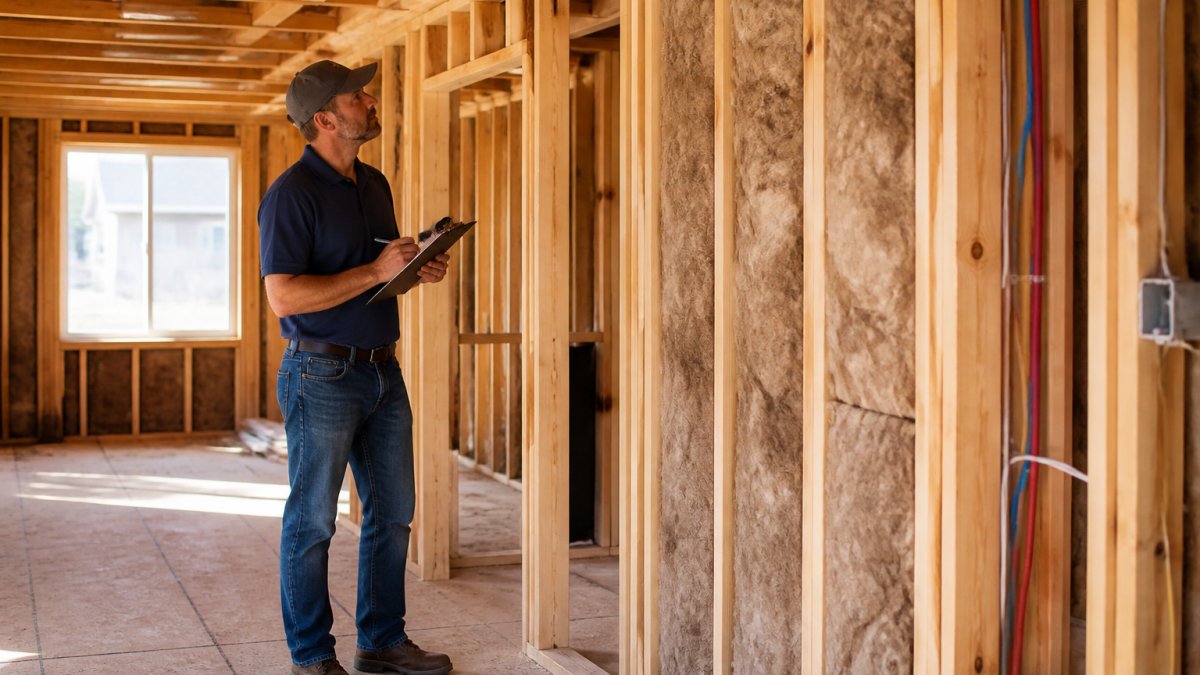
HUD-code homes are inspected during construction by independent third-party agencies, not by the manufacturer alone. That means a home from either brand carries a certification label confirming it met the federal standard at the time it was built.
What to check on any home you are seriously considering:
- The HUD certification label, a red label affixed to the home that documents it was built to the federal standard. Ask to see it and note the numbers.
- The data plate, a document, usually inside the home, that lists the design loads, wind zone, thermal zone, and other specifications the home was built to.
- The specification sheet, the model’s written list of insulation ratings, framing details, and finish materials.
If a seller cannot produce the label, the data plate, or the spec sheet, that is a reason to slow down, not a reason to walk away automatically, but it is information you are entitled to.
Where the Two Brands Actually Differ
Where the two brands genuinely differ is in the details above the code minimum: cabinet construction, flooring thickness, window quality, and insulation packages. Those vary by model and by the options you select, not by brand name alone.
That is why the useful comparison is model-to-model, not brand-to-brand. Pick a Clayton model and a Champion model of similar square footage, bedroom count, and price band, then put their spec sheets side by side. Compare:
- Wall and ceiling insulation ratings
- Window type and glazing
- Flooring material and thickness
This is the comparison the brochures skip, and it is the one that actually predicts how the home will feel and perform after five years.
Independent Inspection Before You Close
A finished model on a dealer lot is a showpiece. The home delivered to your site is the one you are buying. A common pattern among experienced buyers is to arrange an independent inspection, by an inspector who does not work for the dealer or the manufacturer, before final payment and acceptance.
Ask your sales representative for the model’s specification sheet before you tour. It lists insulation ratings, framing details, and finish materials, so you can compare two homes on paper instead of on impressions.
Quality claims are hard to verify and easy to repeat. Documents are not. Ask for the certification label, the data plate, and the spec sheet, and compare like-for-like models on paper before you decide.
Manufactured Home Warranties: What Each Brand Covers
Manufactured home warranties are written limited warranties that typically cover structural components for a set period and mechanical systems for a shorter one. Coverage differs by manufacturer, by model, and sometimes by the year the home was built.
Neither brand publishes a single universal warranty that applies to every home it sells. That is why the warranty document matters more than the brand logo. Before you buy, read the actual warranty for the specific model and ask these questions:
- What is the structural coverage period?
- Which items are excluded?
- Who performs warranty repairs, the manufacturer or the dealer?
The dealer’s service process matters as much as the paperwork. A generous warranty is worthless if nobody answers the phone when something breaks.
Floor Plans, Sizes, and Customization Options Compared
Floor plan variety is where the two brands diverge most visibly.
Customization is the bigger question. Both brands allow buyers to choose from available features and interior finishes, but the options are tied to specific models. You are choosing from a menu, not drawing a house from scratch.
Here is what to weigh:
- Standardized design keeps costs down and speeds up delivery
- Customization options let you adjust layouts, finishes, and features within the model’s framework
- Available features vary by region and by dealer inventory
If you own land and have a specific vision, ask each dealer how much of that vision fits inside their option list.
Questions to Ask a Manufactured Home Dealer Before You Buy
The questions you ask a manufactured home dealer before you buy will tell you more about the purchase than any brochure. Dealers differ in how transparent they are about total cost, timelines, and service after the sale.
Bring this list to every dealership you visit:
- Can I see an itemized quote including delivery, installation, and site work?
- Which inspections has this home passed, and can I see the certification?
- What exactly does the warranty cover, and who handles claims?
A dealer who answers all eight without hesitation is a dealer worth your time. One who deflects on cost or warranty questions is telling you something important.
How Patriot Homes Fits Into the Clayton vs Champion Decision
Comparing Clayton vs Champion is a reasonable starting point, and plenty of buyers end up happy with either. But the comparison leaves out the variable that changes the most: the dealer.
The same model can be a smooth purchase or a frustrating one depending on who sells it to you.
If you own land in Arizona, California, Idaho, or Nevada and want a home that fits both your plans and your budget, we would rather answer your questions than have you guess.
Frequently Asked Questions
What are the main differences between Clayton Homes and Champion Homes?
The biggest differences come down to scale, dealer network, and how each brand approaches customization. Clayton operates its own nationwide network of company-owned stores and financing through Vanderbilt Mortgage, which means a more standardized buying process. Champion sells primarily through independent dealers, so your experience depends heavily on the local dealer. Both build to the federal HUD building code, so structural standards are similar, but floor plans, finish packages, and available features vary by model line. Champion tends to offer more flexibility on custom layouts through its dealer network, while Clayton’s vertically integrated model can simplify financing but limits where you shop.
How do Clayton Homes vs Champion Homes prices compare for similar floor plans?
For comparable single-wide and double-wide models, base prices are often within a similar range, but the final number depends on options, delivery distance, site prep, and dealer markups. Champion’s independent dealer network means pricing can vary significantly from one dealer to the next, so it pays to get multiple quotes on the same floor plan. Clayton’s company-owned stores tend to have more consistent pricing but less room to negotiate. Always ask for an itemized quote that separates the home, delivery, installation, and any land preparation costs so you can compare like for like.
What should I compare when choosing a manufactured home builder?
Focus on five things: the specific floor plan and square footage, the construction materials and build quality, the warranty terms and who services them, the total delivered cost including site work, and the dealer’s reputation for post-sale support. Ask for a home walkthrough of a finished model, not just a showroom display. Request the warranty document in writing before you sign. Check whether the dealer handles delivery, installation, and setup or subcontracts those steps. Finally, ask how long the dealer has operated in your area and whether they service warranty claims locally or route you to a distant service center.
Do manufactured homes hold their value like site-built homes?
Manufactured homes can hold value well when they are permanently affixed to owned land, financed with a traditional mortgage, and maintained properly. Homes placed in rental parks or financed as chattel loans tend to depreciate faster because the land is not part of the purchase. The key factors are land ownership, foundation type, and how the home is titled. Buyers who own their land and set the home on a permanent foundation typically see better resale outcomes than those in leased-land communities. Ask your dealer how the home will be titled and whether it qualifies for conventional financing.
Buying a manufactured home should not feel like a gamble, and it does not have to. The brands matter less than the dealer standing behind the home, the warranty terms in writing, and the honest total cost before you sign. Patriot Homes offers customizable manufactured homes, transparent value, and round-the-clock guidance from first question to final walkthrough. Get started with Patriot Homes and build a home that fits your life and your budget.