
Fresno Mobile Homes for Sale: 7 Things to Check First
Last Updated: November 5, 2026
Quick Summary
Fresno mobile homes for sale range from older pre-owned units in established parks to new manufactured homes built to HUD code. Before comparing listings, check whether the home is pre-owned or new, whether land is owned or leased, and what foundation the home needs.
- Homes sold on owned land usually cost more upfront but carry no monthly lot rent.
- Park-owned homes depend on space rent, park rules, and the community’s age.
- Double-wide homes need a foundation that supports the full width of the joined structure.
- A chattel loan is secured by the home only and is common in leased parks.
- Check the title status with the county recorder before making an offer.
Table of Contents
- What Fresno Mobile Homes for Sale Look Like Today
- Price Ranges You Will See in Fresno County
- Mobile Home Foundation Requirements You Need to Know
- Manufactured Home Foundation Requirements for Permanent Installation in California
- FHA Foundation Requirements for Manufactured Homes and Your Financing
- Financing a Fresno Mobile Home and Land Lease vs. Land Ownership
- Inspection Checklist and Next Steps: Call Patriot Homes Today
- Frequently Asked Questions
What Fresno Mobile Homes for Sale Look Like Today
Fresno mobile homes for sale range from older single-section units in established parks to brand-new manufactured homes built to current federal standards.
Many buyers searching for a mobile home for sale in Fresno want to know what they will actually get.
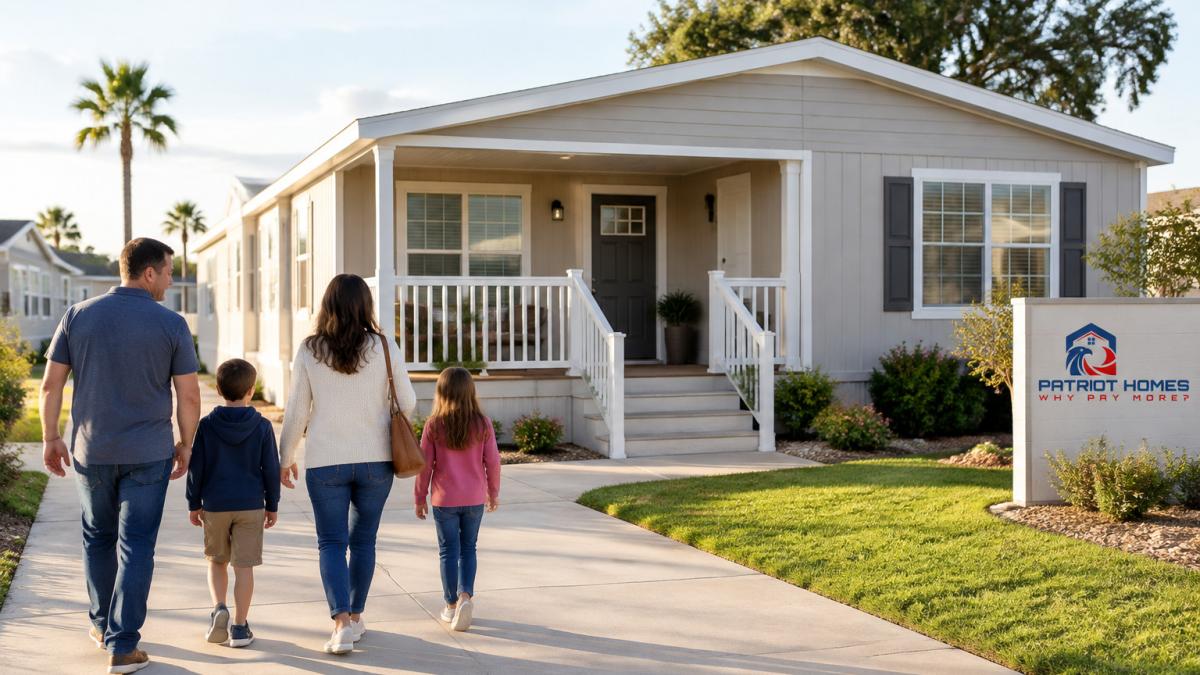
(tel:+18887651776) or request a quote on our website.
Price Ranges You Will See in Fresno County
Pricing for a manufactured home in Fresno County depends on size, age, condition, and whether land comes with the purchase. Pricing for a manufactured home depends heavily on whether land is included, so it helps to separate the home price from the land price before you compare listings.
Pricing for new homes depends on quantity, dates, and delivery, so we recommend getting a current quote rather than relying on estimates. Visit our website or call (888) 765-1776 for pricing matrices tied to the floor plan you want.
Here is how the main pricing factors for Fresno County mobile homes compare at a glance.
| Factor | What to know | Why it matters |
|---|---|---|
| Land included | Homes on owned land usually cost more upfront | No monthly lot rent |
| Park-owned | Depends on space rent and park rules | Lot rent affects total cost |
| Home size | Changes the home price | Size shifts the total |
| Age and condition | Changes the home price | Affects value and upkeep |
Mobile Home Foundation Requirements You Need to Know
A mobile home must sit on an approved foundation or support system before it can be occupied, and the requirements vary by installation type. Foundation rules are the single biggest factor that changes your setup cost after the home is delivered. Ask about them before you make an offer.
A permanent foundation, a pier-and-footing system, and a runner system each carry different costs and inspection steps. Your local building department decides which one applies to your lot. Confirm the rule for your address before you sign anything.
Double-Wide Mobile Home Foundation Requirements
Double-wide homes are built in two sections that join on site, so the foundation must support the full width of the joined structure. The seam between the sections needs careful alignment and support along the marriage line. Installers should follow the manufacturer’s installation manual and any local amendments.
Because double-wides carry more weight than single-section homes, the footing layout and piers cost more to build. Ask your installer for a site-specific foundation plan, and keep the approved plan with your closing documents.
Manufactured Home Foundation Requirements for Permanent Installation in California
Permanent installation in California typically means the home is attached to a foundation and treated as real property. This usually requires local permits, a foundation inspection, and recording of the title change with the county. The exact steps differ between counties, so confirm them with the Fresno County building and assessor offices.
Keep your permit records. Lenders and appraisers ask for them, and missing paperwork can delay a sale or refinance later.
FHA Foundation Requirements for Manufactured Homes and Your Financing
FHA-insured loans for manufactured homes have their own property requirements, including foundation and installation standards that the lender will check. The Federal Housing Administration sets these rules, and your lender will confirm whether the home and site qualify. Ask your lender to explain the requirements in writing before you commit.
Foundation documentation often becomes part of the loan file. If the installation does not meet the rules, financing can stall even when you have strong credit.
Financing a Fresno Mobile Home and Land Lease vs. Land Ownership
Financing is where most mobile home purchases in Fresno County either come together or fall apart, and the single biggest variable is whether you own the land under the home. Two buyers can look at the same floor plan and end up with very different loans, rates, and timelines depending on the answer.
Chattel Loans vs. Traditional Mortgages
A chattel loan is secured by the home itself, not the land. It is the standard path when the home sits in a leased community or on someone else’s lot.
A traditional mortgage, conventional or FHA-insured, generally requires the home to be attached to a permanent foundation on land you own, with the title converted to real property.
- Chattel loan: secured by the home only; common in leased parks; faster to close; higher rate.
- Conventional mortgage: requires owned land and a permanent foundation; title must be converted to real property.
- FHA-insured loan: available for manufactured homes that meet FHA property and installation standards; lender verifies foundation and titling.
- VA loan: available to eligible veterans for manufactured homes that meet VA requirements, including permanent foundation rules.
Watch out: A home advertised as “on land” may still be titled as personal property. If the title was never converted, a mortgage lender may decline the file even though the home sits on owned land.
Land Lease vs. Land Ownership: What Actually Changes
Owning the land means a larger upfront cost and property taxes, but it removes monthly space rent and gives you control over the site. Leasing lowers the entry cost but leaves you exposed to space rent increases, park rule changes, and the possibility that the community changes ownership or use.
A few practical differences buyers often miss:
- Space rent is set by the community and can rise on a schedule allowed by the lease and state law. Ask for the current rent, the increase history, and the lease term in writing.
- Park rules can restrict pets, rentals, additions, and even who may occupy the home. Read the rules before you fall in love with a unit.
- Utilities may be master-metered or separately metered. Master-metered parks bill through the community, which changes how you budget.
- Resale in a leased park depends on park approval of the buyer, which can slow a sale.
If you want to compare builder pricing and financing side by side, review Clayton vs Cavco: Manufactured Home Price Comparison. To see whether conventional loans fit your situation, read Are Alternatives to Traditional Home Financing Right for You?. If you are deciding between leasing and owning, Is Buying Raw Land Worth the Investment in 2026 explains the tradeoffs.
Financing rules change, so verify current loan terms with a licensed lender. Our 24/7 team can walk you through how a new home from our floor plans, from 1-bedroom ADUs to spacious 4-bedroom models, fits either path. Call (888) 765-1776 or request a quote on our website.
Inspection Checklist and Next Steps: Call Patriot Homes Today
A pre-owned mobile home can look solid on a walkthrough and still hide problems that cost more than the home is worth. The checklist below is organized the way an inspector would work through a unit, with a note on what each item actually tells you. Use it before you make an offer, not after.
Exterior and Structure
- Roof and skirting: Look for sagging, soft spots, and water staining on the ceiling inside. Skirting that is missing or loose lets moisture and pests under the home.
- Foundation, piers, and anchoring straps: Confirm the home sits on an approved support system and that tie-downs are intact. Missing or rusted anchors are a safety issue and a financing issue.
- Siding and seams: On a double-wide, check the marriage line where the two sections join. Gaps or separation there can signal foundation movement.
Systems and Interior
- Plumbing: Check for slow drains, water stains under sinks, and the age of the water heater. Polybutylene piping, used in some older homes, is a known failure risk.
- Electrical panel: Confirm the panel is labeled, the service amperage matches the home, and there are no double-tapped breakers.
- HVAC age: Ask for the manufacture date on the furnace and air handler. Older units may still run but be near end of life.
- Floor soft spots: Pay close attention near bathrooms and the kitchen, where leaks tend to start.
Paperwork and Park Details
- Park rules, lot rent, and utility billing: Get the current space rent, the increase history, and the lease term in writing. Ask whether utilities are master-metered.
- Permit history: Any add-on, deck, or foundation work should have a permit on file with the local building department. Unpermitted work can stall a sale or refinance.
- Title status: Confirm whether the home is titled as personal property or has been converted to real property. This determines your financing options.
Watch out: A seller who cannot produce a permit for a room addition or a foundation upgrade is a red flag. Missing permits often surface at closing and can delay or kill the deal.
What Happens After the Inspection
Once you have the findings, you have three choices: negotiate repairs, walk away, or proceed with the issues priced in. Get repair estimates in writing before you renegotiate, and keep every inspection report and permit record with your closing documents, lenders and appraisers will ask for them later.
If you are comparing a pre-owned unit against a new build, it helps to see what a new home includes from the start. 7 Steps for How to Choose a Manufactured Home in 2026 walks through the decision in order, and How to Find Manufactured Home Dealers: 7 Steps helps you vet sellers.
Patriot Homes offers brand-new, customizable manufactured homes, from 1-bedroom ADUs to spacious 4-bedroom models, and we proudly serve local homeowners with custom manufactured and modular options. Why pay more when you can have quality, style, and affordability all in one? Our team is available 24/7 to answer questions about pricing, customization, and installation.
Frequently Asked Questions
What qualifies as a permanent foundation for a manufactured home?
A permanent foundation is a system of piers, footings or a full perimeter stem wall that ties the home to the ground and is designed to resist wind, seismic and frost loads for the site. Your installer and local building department will confirm the installation standards that apply to your lot. Patriot Homes can explain which foundation type fits your lot and budget. Call (888) 765-1776 for guidance before you commit to a site.
Do manufactured homes need a permanent foundation?
Many buyers choose a permanent foundation because it can make financing, appraisal and resale easier, but requirements depend on the loan type, the local jurisdiction and the lot. A home set on a permanent foundation is generally treated more like site-built housing. Your installer and local building department will confirm what your specific installation needs. Patriot Homes can walk you through the options by phone at (888) 765-1776.
Can FHA loans be used for a manufactured home?
FHA financing is available for manufactured homes that meet the agency’s foundation and construction requirements, which generally include a permanent foundation and a home that is titled as real property. Your lender will review the foundation documentation before approval. Because loan rules change, confirm the current requirements with a lender before you finalize your purchase. Call Patriot Homes at (888) 765-1776 to discuss the paperwork you will need.
What should I check before buying a manufactured home?
Check the lot or land lease terms, the foundation plan, the utility connections, the delivery and setup costs, and the home’s construction and installation records. Confirm the warranty, ask who handles permits, and have a qualified inspector review the site before closing. Get a written quote that lists everything included. Our team is available 24/7 at (888) 765-1776 to answer these questions and to request a quote.
