
Get Help Buying a Manufactured Home in Nevada
Table of Contents
- Understanding Manufactured Home Ownership in Nevada
- Nevada First-Time Homebuyer Assistance Programs
- Nevada Down Payment Assistance Programs for Manufactured Homes
- Manufactured Home Loan Requirements and Eligibility
- Manufactured Home Land and Installation Costs
- Step-by-Step Process for Buying Your Manufactured Home
- Common Mistakes to Avoid When Buying a Manufactured Home
- Frequently Asked Questions
Last Updated: October 15, 2026
Understanding Manufactured Home Ownership in Nevada
A manufactured home in Nevada offers an affordable pathway to homeownership without the premium price tag of traditional site-built construction. These homes are built in a factory to federal standards, then transported to your land or a leased lot. The key advantage: you control the customization while keeping costs predictable.
Nevada’s housing market has made manufactured homes increasingly attractive for first-time buyers, retirees, and families priced out of conventional housing. The state allows both land ownership and leased-lot arrangements, giving you flexibility in how you want to own and live in your home.
The journey from deciding to buy to turning the key in your new home involves understanding financing options, assistance programs, and the specific steps unique to manufactured housing.
Nevada First-Time Homebuyer Assistance Programs
Nevada offers several pathways for first-time homebuyers to get financial help. The state recognizes that entering homeownership is a major financial commitment, and programs exist to reduce that barrier.
The Nevada Housing Finance Agency administers programs specifically designed for first-time buyers. These programs focus on reducing your upfront costs through down payment assistance and favorable loan terms.
Essential workers, teachers, healthcare workers, and public safety personnel, often qualify for additional assistance. Some programs set aside funding specifically for these professions because Nevada recognizes their importance to community stability.
The application process starts with finding an approved lender. Not all lenders participate in state assistance programs, so you’ll need to work with one that does. Your lender will guide you through the specific requirements and documentation needed.
Nevada Down Payment Assistance Programs for Manufactured Homes
Down payment assistance is the most direct form of help available. These programs reduce the amount of cash you need upfront to purchase your manufactured home in Nevada.
Assistance amounts vary based on your income, family size, and the purchase price of your home. Programs typically cover a portion of your down payment and may also help with closing costs.
The key distinction for manufactured homes: down payment assistance programs treat them the same as site-built homes when calculating eligibility and assistance amounts. Your home type doesn’t disqualify you, what matters is your income, credit profile, and the total purchase price.
To access these programs, you’ll need to:
- Work with an approved lender in Nevada
- Provide proof of income and employment
- Authorize a credit check
- Show that you’re purchasing a primary residence
- Meet the program’s income limits
Timeline matters. Some assistance programs have limited annual funding. Applying early in the calendar year gives you better access to available funds.
Manufactured Home Loan Requirements and Eligibility
Lenders evaluate manufactured home loans differently than site-built mortgages, though the core requirements are similar. Understanding these differences helps you prepare a stronger application.
Minimum credit score requirements typically range from 580 to 640, depending on the lender and loan program. A lower score doesn’t disqualify you, it may mean a higher interest rate or larger down payment requirement.
Income verification is straightforward. Lenders want to see stable employment history, usually at least two years with your current employer. Self-employed borrowers need two years of tax returns and business documentation.
Debt-to-income ratio matters significantly. Most lenders want your total monthly debt payments (including your new mortgage) to stay below 43-50% of gross income.
The type of manufactured home loan depends on whether you’re buying land separately or placing your home on a leased lot:
- Land and home together: Treated as real property, financed with a standard mortgage
- Leased lot (home only): Financed as personal property with a chattel loan, typically shorter terms and higher rates
- Chattel to mortgage conversion: Some lenders offer programs to refinance chattel loans into mortgages once you own the land
Down payment requirements typically range from 5% to 20%, depending on your credit score and the lender’s guidelines. Assistance programs can cover much of this.
Manufactured Home Land and Installation Costs
Your total investment includes more than just the home purchase price. Understanding all costs helps you budget accurately and avoid surprises.
Land acquisition is your first decision point. You can purchase land outright, lease a lot in a manufactured home community, or find land already set up for a home.
Purchasing land: Costs vary dramatically by location within Nevada. Rural areas cost significantly less than areas near Las Vegas or Reno.
Leasing a lot: Monthly fees typically range based on the community, amenities, and location. Leased-lot communities often include utilities, maintenance of common areas, and sometimes amenities like pools or clubhouses.
Installation and setup costs include:
- Transportation of the home to your site
- Foundation and anchoring
- Utility connections (electrical, water, sewer, gas)
- Permits and inspections
- Site preparation
These costs can range significantly based on your location, the complexity of utility connections, and local permit requirements.
Total ownership costs also include property taxes (if you own land), homeowners insurance, utilities, and maintenance.
Step-by-Step Process for Buying Your Manufactured Home
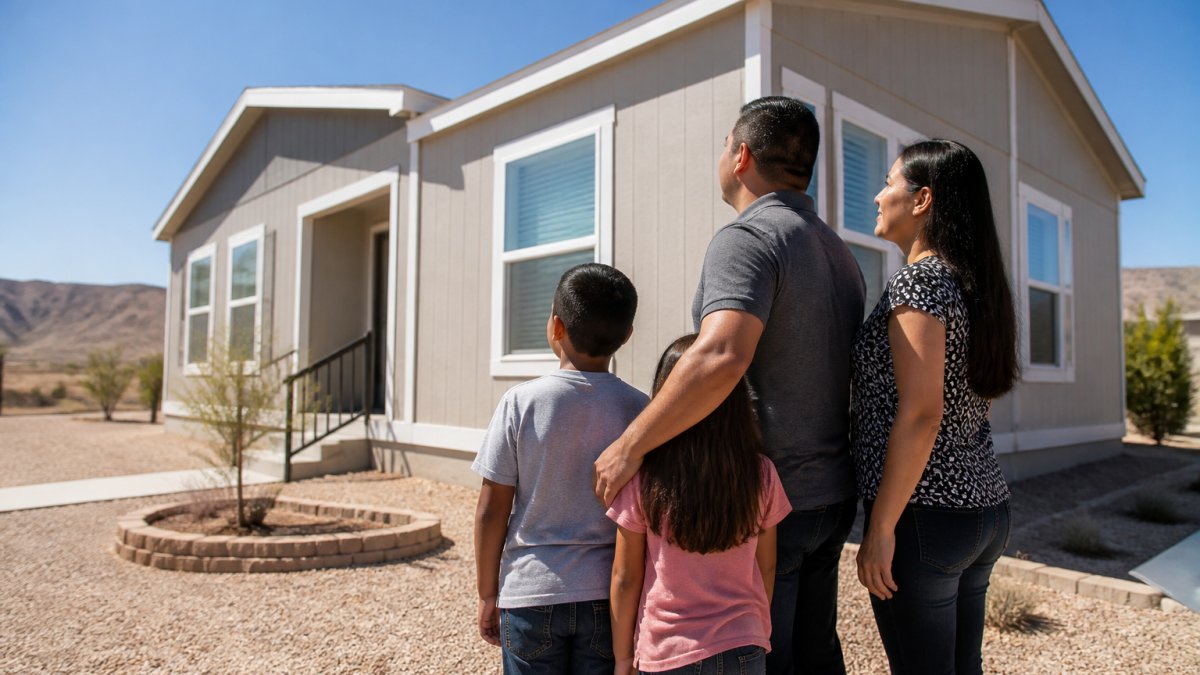
Buying a manufactured home follows a logical sequence, but the timeline and specific steps differ slightly from traditional home purchases. Here’s how the process unfolds.
Step 1: Determine Your Budget and Financing Options
Start by calculating what you can afford. Use your gross monthly income to work backward: if lenders typically allow 43-50% debt-to-income ratio, you know your maximum monthly payment range.
Research available loan programs before shopping. Different lenders offer different terms. Some specialize in manufactured home financing and offer better rates or more flexible credit requirements. Compare at least three lenders to understand your options.
Get pre-approved for a loan. This shows sellers you’re serious and gives you a clear budget ceiling. Pre-approval also reveals any credit issues you need to address before applying for assistance programs.
Step 2: Explore Assistance Programs You Qualify For
Once you know your budget, apply for assistance programs you qualify for. Don’t assume you don’t qualify, income limits are often higher than you’d expect, and many programs have minimal credit score requirements.
Contact the Nevada Housing Finance Agency or work with your lender to identify programs matching your situation. First-time buyer programs, essential worker programs, and down payment assistance all have different deadlines and funding cycles.
Start applications early. Some programs have annual funding limits. Waiting until you’ve found your home might mean missing available assistance.
Step 3: Secure Land or Choose a Leased Lot
Decide whether you’ll own land or lease a lot. This decision affects financing, monthly costs, and long-term flexibility.
If purchasing land, work with a real estate agent familiar with manufactured home placement. Not all land is suitable, you need proper drainage, utility access, and compliance with local zoning. Have a surveyor and environmental inspector evaluate the property before committing.
If choosing a leased lot, visit communities in person. Review lot lease agreements carefully, including renewal terms, fee increases, and what happens if the community closes. Understand what amenities and utilities are included in monthly fees.
Step 4: Select Your Home and Customize
Work with a manufactured home dealer to explore available models and customization options. We offer extensive customization of bedrooms, bathrooms, and finishes so your home truly reflects your preferences.
Review floor plans, materials, and options. Get detailed pricing for your specific configuration. Don’t assume customization adds significant cost, modern manufacturing keeps prices competitive.
Confirm delivery timelines. Factory-built homes have standard production schedules, typically 6-12 weeks from order to delivery.
Step 5: Complete Inspections and Permits
Before your home arrives, ensure your land or lot is ready. This means utility connections are planned, permits are obtained, and the foundation is prepared to code.
Schedule a pre-delivery inspection with the manufacturer. This happens at the factory before your home ships. You’ll verify that customizations match your order and that construction quality meets standards.
Once your home arrives, conduct a final inspection before accepting delivery. Check that all systems work, finishes match your specifications, and the home is undamaged.
Obtain a permanent foundation certificate if you’re placing the home on owned land. This document confirms your home meets Nevada building codes and is permanently affixed to the foundation.
Step 6: Close on Your Manufactured Home
Closing follows standard mortgage procedures. You’ll sign loan documents, pay closing costs, and receive the deed (for land ownership) or title transfer (for the home itself).
If you’re financing both land and home together, closing happens as a single transaction. If you already own land, closing focuses on the home purchase and installation.
After closing, you’ll receive the manufactured home title from the Nevada Department of Motor Vehicles. This transfers to a real property deed once your home is permanently affixed to owned land.
Common Mistakes to Avoid When Buying a Manufactured Home
Understanding what goes wrong helps you avoid costly missteps.
Not comparing lenders: Different lenders offer vastly different rates and terms. Shopping around saves thousands over your loan’s life.
Overlooking total costs: Many buyers focus only on the home price and ignore land costs, installation, permits, and utilities setup.
Skipping inspections: A pre-delivery factory inspection and final site inspection catch problems before they become expensive repairs.
Not understanding financing options: Chattel loans for leased-lot homes have different terms, rates, and implications than mortgages for owned land.
Rushing the process: Manufactured home purchases don’t need to happen quickly. Taking time to research programs, compare lenders, and plan properly prevents regrettable decisions.
Getting help buying a manufactured home in Nevada is achievable when you understand your options.
At Patriot Homes, we guide buyers through every step of this process.
Ready to explore your options? Contact the Nevada Housing Finance Agency for assistance program details to learn what programs you qualify for, then reach out to Patriot Homes to discuss your manufactured home purchase.
| Step | Timeline | Key Actions |
|---|---|---|
| Budget & Financing | Weeks 1-2 | Calculate affordability, research lenders, get pre-approved |
| Assistance Programs | Weeks 1-3 | Identify qualifying programs, submit applications |
| Land/Lot Selection | Weeks 2-4 | Find property or choose leased community, finalize location |
| Home Selection | Weeks 3-6 | Choose model, customize, confirm pricing and delivery |
| Inspections & Permits | Weeks 6-10 | Factory inspection, site preparation, permit acquisition |
| Closing & Delivery | Weeks 10-12 | Final inspection, sign documents, receive title |
The manufactured home buying process in Nevada typically takes 10-12 weeks from pre-approval to closing. Starting early with assistance program applications and working with an experienced lender keeps everything on track.
Frequently Asked Questions
What programs are available for first-time homebuyers in Nevada buying a manufactured home?
Nevada offers several assistance programs for first-time homebuyers, including down payment assistance grants, favorable loan terms, and programs specifically designed for manufactured homes. The Nevada Housing Division administers many of these programs. Eligibility depends on income limits, credit score minimums, and primary residence requirements. Contact the Nevada Housing Division or work with an approved lender to determine which programs match your situation and down payment needs.
What are the minimum credit score and income requirements for manufactured home loans in Nevada?
Minimum credit score requirements for manufactured home loans typically range from 580 to 620, though some programs and lenders may require higher scores for better interest rates. Income limits vary by program and family size, generally targeting low- and middle-income buyers. Most programs require your housing payment to stay below 43% of gross monthly income. Check with approved lenders and the Nevada Housing Division to confirm specific thresholds for the assistance program you’re considering.
Can I buy a manufactured home in Nevada without owning land?
Yes. You have three options: buy land and the home together, purchase a home-only on leased land in a manufactured home community, or buy a home to place on land you already own. Leased-lot options typically have lower upfront costs since you’re not purchasing land, but you’ll pay monthly lot rent. Land-home purchases give you ownership but require additional costs for installation and permits. Discuss these options with your dealer to understand the total ownership costs for each scenario.
What total costs should I budget for when buying and installing a manufactured home in Nevada?
Total costs include the home purchase price, land acquisition (if applicable), installation and foundation work, permits and inspections, title transfer, property taxes, and homeowners insurance. Installation costs typically range from several thousand to tens of thousands depending on site conditions. Factor in ongoing costs like lot rent (if leased), property taxes, insurance, and maintenance. Request a complete cost breakdown from your dealer and the county assessor to understand your true affordability before committing.