
Should You Get a Manufactured Home Inspection Before Purchase?
Last Updated: November 14, 2026
Quick Summary
A manufactured home inspection before purchase is a professional, third-party review of the home’s condition, systems, and site setup, done before you sign or close. It is your best chance to find problems while you can still walk away or renegotiate, so confirm in writing that the inspector will go under the home.
- A shaky foundation is a deal-breaker, not a bargaining chip.
- A standard inspection covers roof, siding, interior, systems, foundation, and under-home moisture.
- Septic, well, mold, and pest evaluations are commonly excluded and quoted separately.
- Schedule the inspection after an accepted offer and before your contingency deadline.
- Ask how many manufactured homes the inspector reviewed in the past year.
Table of Contents
- Why a Manufactured Home Inspection Before Purchase Matters
- Your Manufactured Home Inspection Checklist for Buyers
- Manufactured Home Inspection Red Flags to Watch For
- Manufactured Home Inspection Before Purchase Cost and Scope
- HUD Manufactured Home Inspection Checklist PDF: What It Covers
- How to Find a Qualified Manufactured Home Inspector
- Schedule Your Inspection and Request a Quote
- Frequently Asked Questions
Why a Manufactured Home Inspection Before Purchase Matters
A manufactured home inspection before purchase is a professional, third-party review of the home’s condition, systems, and site setup, done before you sign or close. It is your best chance to find problems while you can still walk away or renegotiate.
Skip it and you buy blind. That is the whole argument.
Factory-built homes are solid when new. But a used home has lived through moves, weather, and years of wear. A trained eye catches what a walkthrough cannot. The U.S.
At Patriot Homes, we sell brand-new, customizable manufactured homes, and we still tell every buyer the same thing: know what you are buying.
Your Manufactured Home Inspection Checklist for Buyers
Here is the buyer’s checklist we walk customers through. Use it on your own walkthrough, then hire a pro to confirm. For a deeper step-by-step walkthrough, see how to inspect a manufactured home before you buy.
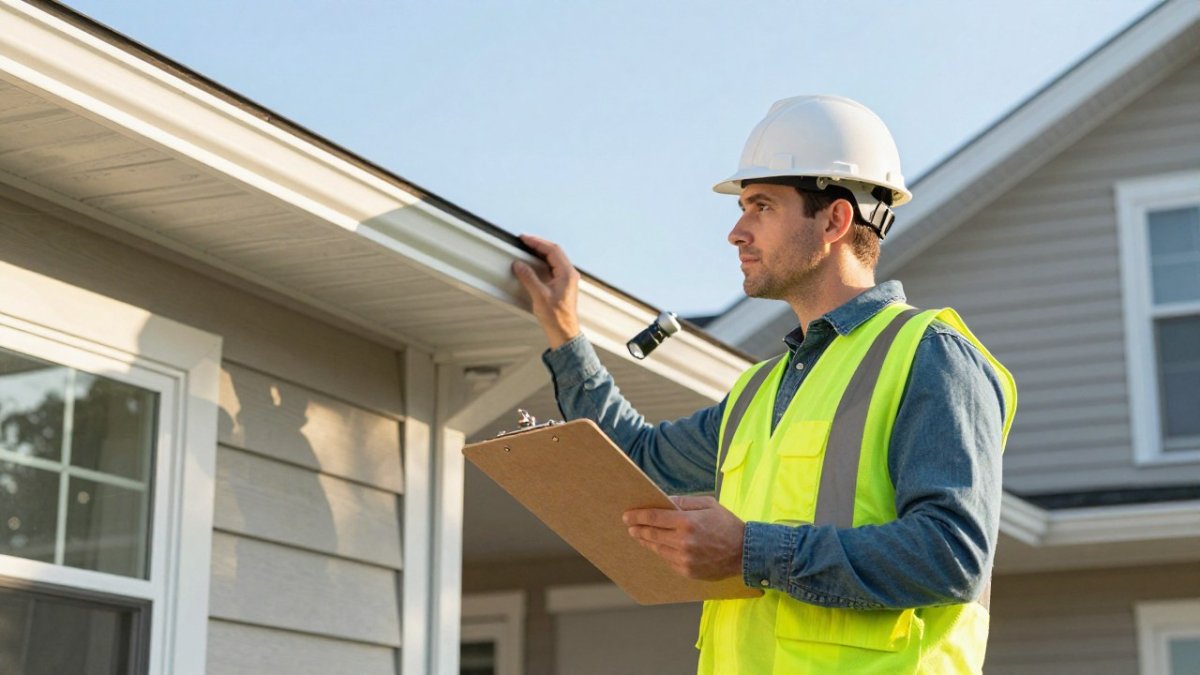
Exterior: Roof, Siding, Doors, and Windows
Start outside and look up.
- Roof: Check for missing shingles, sagging, and water stains on the ceiling below.
- Siding: Look for cracks, loose panels, and bubbling paint.
- Doors and windows: Open and close each one. Feel for drafts around frames.
- Seals: Worn caulk and gaps let water in.
Water is the enemy here. One small roof leak can rot a wall for years before you notice. Our guide to manufactured home siding options explains what to look for on the exterior.
Interior: Walls, Floors, Ceilings, and Water Damage
Walk every room slowly.
- Walls and ceilings: Look for stains, bubbling paint, and hairline cracks.
- Floors: Step firmly. Soft spots mean moisture or rot underneath.
- Water damage: Check under sinks, around the water heater, and behind the toilet.
- Doors: Make sure interior doors latch and don’t stick.
If a floor feels spongy, stop. That is not cosmetic.
Systems: Plumbing, Electrical, Heating, and Cooling
Systems are where repair bills hide.
- Plumbing: Run every faucet. Check water pressure and look for leaks under cabinets.
- Water heater: Look for rust, corrosion, and the age of the unit.
- Electrical: Test outlets and check the panel for a clear, labeled breaker box.
- Heating and cooling: Ask for the service history of the furnace and AC.
- Ventilation: Confirm vents are open and airflow is strong.
A qualified inspector will test these properly. You are just flagging questions to ask.
Foundation, Supports, Anchoring, and Under-Home Checks
This is the section most buyers skip. Don’t.
- Supports: Look for cracked, leaning, or missing piers.
- Anchoring: Confirm the home is tied down per local requirements.
- Under-home: Check for standing water, rust, and pest damage.
- Skirting: Look for gaps that let animals and moisture in.
A shaky foundation is a deal-breaker, not a bargaining chip. Compare manufactured home foundation types and read up on choosing the right foundation before you commit.
Manufactured Home Inspection Red Flags to Watch For
Some problems are walk-away serious. Others are negotiating tools. Know the difference.
Walk away or get a specialist:
- Sagging roofline or a bowed ceiling
- Soft, spongy floors in more than one room
- Rust or water pooling under the home
- A foundation with cracked or leaning piers
- A strong musty smell that never goes away
Negotiate:
- Worn caulk and weather stripping
- A water heater near the end of its life
- Small cosmetic cracks
- Dated but working appliances
Age matters here. If the home is older, read our guide on the lifespan of a manufactured home so you know what to expect.
Manufactured Home Inspection Before Purchase Cost and Scope
Most buyers want two answers before they book: what will this cost, and what exactly am I paying for? Here is how to think about both.
What Drives the Price
A manufactured home inspection is priced by independent inspectors, and several factors can affect the total:
- Home size and age. Larger homes and older homes take longer to inspect.
- Travel distance. Rural or outlying properties often carry a trip charge.
- Crawlspace or under-home access. Inspectors who go under the home spend more time and may charge for it.
- Add-on services. Septic, well, mold, pest, and structural evaluations are priced separately.
- Report turnaround. Rush reports sometimes cost more.
Ask for the quote in writing and confirm what is included before you schedule. For exact pricing on a new model from our lineup, call our 24/7 team at (888) 765-1776 or request a quote from our website.
What a Standard Inspection Covers
A typical pre-purchase inspection reviews the visible and accessible condition of:
- Roof, siding, doors, and windows
- Interior walls, floors, and ceilings
- Plumbing, electrical, heating, and cooling
- Foundation, supports, anchoring, and skirting
- Under-home moisture, rust, and pest activity
What It Usually Does Not Cover
These are commonly excluded and quoted as separate evaluations:
- Septic systems and wells
- Mold and air-quality testing
- Pest and wood-destroying organism inspections
- Structural engineering opinions
- Chimneys and fireplaces
When to Add a Specialist
Add a specialist evaluation when the standard report flags a system or when the home’s history raises a question:
- Septic or well: Any rural property not on public utilities.
- Roof: Active leaks, missing shingles, or a roof near the end of its service life.
- HVAC: A furnace or AC unit with no service records.
- Pest: Visible damage, frass, or a history of infestation.
- Structural: Cracked piers, a sagging roofline, or a bowed floor.
Watch out: A low quote that excludes the under-home crawlspace is not a bargain. Confirm in writing that the inspector will go under the home, because that is where foundation, moisture, and pest problems hide.
If you are still comparing homes, our team can help you weigh a new build against a used one. Call (888) 765-1776 for pricing matrices and floor plan options, from 1-bedroom ADUs to spacious 4-bedroom models.
Here is what a standard inspection covers, what it usually leaves out, and when to add a specialist.
| Item | Status | Note |
|---|---|---|
| Roof, siding, doors, windows | Covered | Visible and accessible condition |
| Interior walls, floors, ceilings | Covered | Visible and accessible condition |
| Plumbing, electrical, heating, cooling | Covered | Visible and accessible condition |
| Foundation, supports, anchoring, skirting | Covered | Visible and accessible condition |
| Under-home moisture, rust, pest activity | Covered | Confirm inspector will go under home |
| Septic systems and wells | Excluded | Quoted as separate evaluation |
| Mold and air-quality testing | Excluded | Quoted as separate evaluation |
| Pest and wood-destroying organisms | Excluded | Quoted as separate evaluation |
HUD Manufactured Home Inspection Checklist PDF: What It Covers
The HUD manufactured home inspection checklist PDF is a federal reference document tied to the HUD code, and it focuses on construction and installation standards, not a full resale condition review. Buyers often confuse the two.
The HUD code sets how homes are built and installed. A pre-purchase inspection checks how the home is holding up today. They overlap, but they are not the same thing. As inspection guidance from ACI Inspections notes, a checklist is a general guide, not a substitute for evaluating specific problems.
Use the HUD document as a reference. Hire a pro for the real verdict.
How to Find a Qualified Manufactured Home Inspector
Not every inspector who knows site-built homes knows factory-built ones. Manufactured homes have their own foundation, anchoring, and utility systems, and the inspection should reflect that. Use this process to separate a generalist from a specialist.
Step 1: Screen for Manufactured-Home Experience
Ask directly how many manufactured homes the inspector has reviewed in the past year and whether they inspect the under-home area. A general home inspector may never have crawled a manufactured home foundation. Look for experience with:
- Pier and anchor systems
- Skirting and belly board
- Manufactured-home plumbing and electrical layouts
- HUD-code construction and installation
Step 2: Verify Credentials and Insurance
Confirm the inspector holds the license or certification your state requires and carries liability and errors-and-omissions insurance. Ask for proof rather than taking a verbal yes. Membership in a recognized inspection association is a useful signal, but it is not a substitute for manufactured-home experience.
Step 3: Ask the Right Scope Questions
Before you book, get clear answers to these:
- Will you inspect under the home?
- Do you check the data plate and HUD label?
- Will you review installation and permit records if I provide them?
- What is excluded from the standard report?
- How soon will I receive the written report?
Step 4: Request a Sample Report
A strong report includes photos, clear descriptions of defects, and repair recommendations. If the sample is a bare checklist with no photos or notes, keep looking.
Step 5: Confirm Timing and Access
Schedule the inspection after you have an accepted offer and before your contingency deadline. Confirm who will provide access, whether the seller or park manager must be present, and whether utilities will be on so systems can be tested.
Watch out: An inspector who will not go under the home or who cannot explain how manufactured foundations differ from site-built ones is the wrong hire, no matter how good the price looks.
If you are weighing a new home instead of a used one, our 24/7 team can walk you through customization options and floor plans. Call (888) 765-1776 or request a quote from our website. We proudly serve local homeowners with custom manufactured and modular options, and our promise is simple: why pay more when you can have quality, style, and affordability all in one?
Schedule Your Inspection and Request a Quote
The inspection protects the deal. The right home makes it worth doing.
At Patriot Homes, we proudly serve local homeowners in the cities and counties listed on our service area pages. We offer customizable manufactured homes with a wide range of floor plans, from 1-bedroom ADUs to spacious 4-bedroom models.
Our 24/7 team is here to help with pricing matrices, customization options, and immediate assistance. Call (888) 765-1776 or request a quote from our website today.
Ready to move forward? Call Patriot Homes at (888) 765-1776 and let our 24/7 team match you with a floor plan, walk you through customization, and get you a quote.
Frequently Asked Questions
What does a manufactured home inspection consist of?
A manufactured home inspection covers the exterior (roof, siding, doors, windows), interior (walls, floors, ceilings, water damage), and major systems including plumbing, electrical, heating, cooling, and ventilation. It also includes the foundation, supports, anchoring, and an under-home check for moisture and pest damage. The inspector documents defects and provides a report you can use to negotiate repairs or price changes before closing.
What is the biggest red flag in a manufactured home inspection?
Water damage and moisture intrusion are among the biggest red flags. Look for soft spots in floors, staining on ceilings, musty odors, and rust around plumbing fixtures. Foundation and anchoring problems, such as loose tie-downs or cracked supports, are also serious. Any defect that affects structural stability or safety should be evaluated by a specialist before you commit to the purchase.
How much does a manufactured home inspection before purchase cost?
Costs vary by location, home size, and inspector qualifications. Pricing depends on the scope of the inspection, travel distance, and whether optional specialist evaluations are added. For a current quote tailored to your property, call Patriot Homes at (888) 765-1776 or request a quote from our website. Our 24/7 team can walk you through the process.
Should I get a manufactured home inspected before buying it?
Yes. A pre-purchase inspection is your due diligence. It identifies defects, safety issues, and needed repairs so you can make an informed decision. A checklist alone is a general guide, not a substitute for a professional evaluation. An inspector’s report gives you documentation to negotiate repairs or price changes before closing, and it helps you budget for future maintenance.
